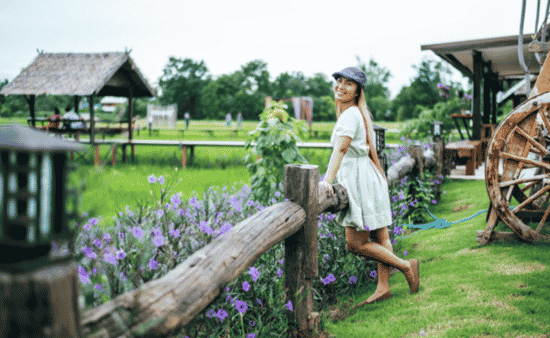
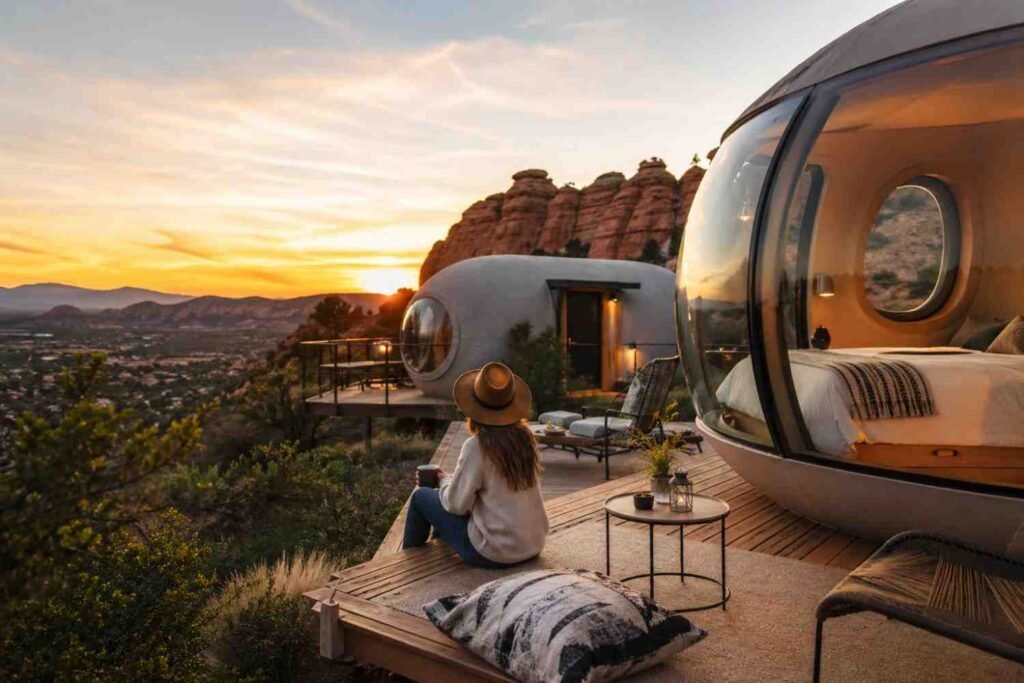
Travel used to be simple. You picked a destination, booked a hotel, and planned everything else around it. I remember trips where the room barely mattered; it was just a place to crash after a long day. That mindset has quietly shifted. Now, the place you stay often becomes the reason you travel in the first place.
Over time, I’ve noticed how people talk about trips differently. It’s less about “where did you go?” and more about “where did you stay?” That shift says a lot. The rise of unique stay experiences isn’t just a trend; it reflects how travel has become more personal, intentional, and story-driven.
The Stay Is No Longer Secondary
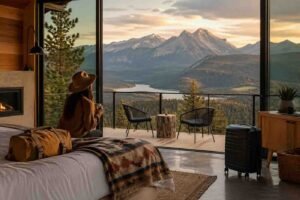
There was a time when accommodation played a supporting role. Today, it often takes center stage. People are planning entire trips around a glass cabin in the woods or a restored vintage trailer parked somewhere remote.
This shift is tied to a broader move toward experiential travel. Travelers want something they can feel, not just see. A standard hotel room, no matter how luxurious, rarely delivers that kind of memory. But waking up in a treehouse surrounded by forest or a tiny home overlooking a canyon? That sticks.
Platforms like Airbnb and Vrbo have made these options more visible and accessible, turning once-niche stays into mainstream choices.
Why Personalization Matters More Than Ever
One of the biggest reasons behind this shift is the desire for something that feels personal. Chain hotels are built for consistency, which works, but it also feels predictable.
Unique stays, on the other hand, often reflect the environment they’re in. A desert dome feels different from a mountain cabin. A converted barn carries a different energy than a beachfront bungalow. These places tell a story, even before you step inside.
This kind of personalization goes beyond design. It creates a sense of connection to the place, to the culture, and sometimes even to the people who built or host it.
Social Media Has Quietly Changed Everything

It’s hard to ignore how much social media has influenced travel decisions. A decade ago, you might have chosen a hotel based on reviews. Now, one striking image can spark an entire trip idea.
A sleek hotel room rarely stands out online. But a transparent dome under the stars or a cabin perched on a cliff? That’s the kind of visual people remember and share.
This “shareability” factor has turned unique stays into experiences people actively seek out. It’s not just about documenting travel anymore. It’s about finding something worth documenting in the first place.
A Shift Toward Slower, More Intentional Travel
Another change I’ve noticed is how people are slowing down. Instead of rushing through packed itineraries, travelers are choosing to spend more time in one place, especially when the stay itself offers something meaningful.
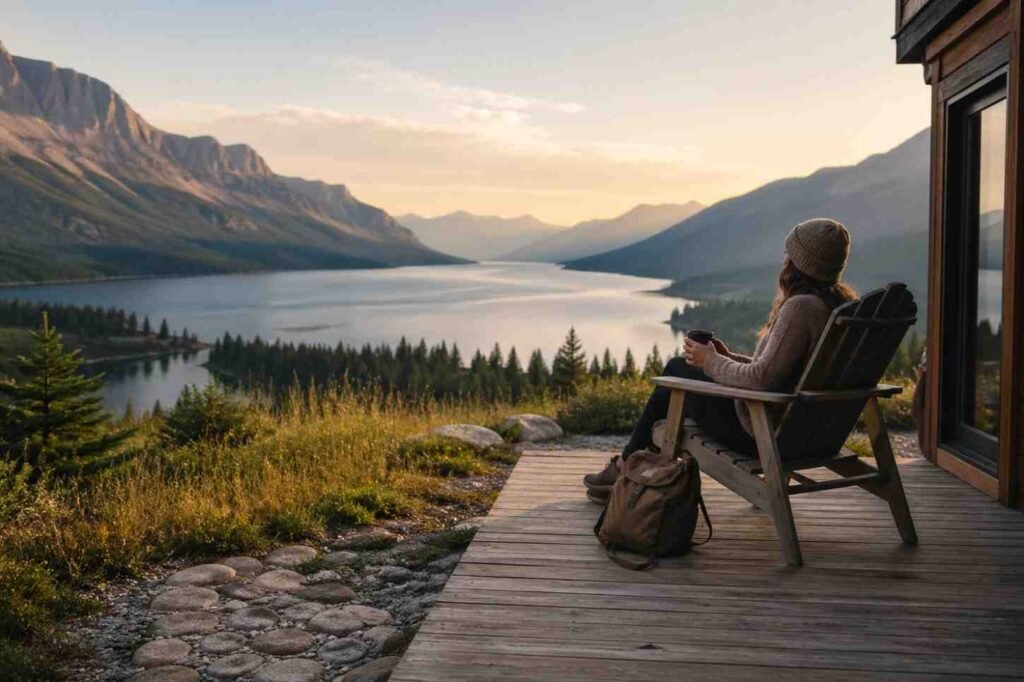
Many unique accommodations encourage this naturally. They’re often located in quieter, less commercial areas. There’s less noise, fewer distractions, and more space to just be present.
That doesn’t mean sacrificing comfort. It means redefining it. Comfort becomes less about convenience and more about atmosphere, privacy, views, and a sense of calm.
Sustainability Is No Longer Optional
There’s also a growing awareness around how travel impacts the environment. This has pushed many travelers to rethink where they stay.
A lot of unique accommodations are built with intention. Think repurposed structures, eco-lodges, or small-scale builds that blend into their surroundings rather than dominate them. Supporting these stays often feels like a more responsible choice.
It’s not just about reducing impact. It’s about aligning travel decisions with personal values, and that’s becoming increasingly important.
How This Trend Is Reshaping the Industry
The rise of unique stay experiences isn’t happening in isolation. It’s actively changing how the travel industry operates.
Here’s what’s happening behind the scenes:
- Traditional hotels are introducing boutique-style properties with more character
- Remote and rural areas are gaining attention as travel destinations
- Independent hosts are competing directly with established brands
- Travelers are prioritizing uniqueness over standard amenities
Even large hospitality brands are adapting, trying to recreate the charm and individuality that smaller, independent stays naturally offer.
When Unique Stays Make the Most Sense

While these experiences are appealing, they’re not always the right fit for every trip. From what I’ve seen, they work best when the goal is to slow down and enjoy the space itself.
They’re ideal when you want:
- A memorable, story-driven trip
- More privacy and a quieter environment
- A stronger connection to nature or local surroundings
At the same time, traditional hotels still make sense for fast-paced, city-focused travel. The key is choosing based on the kind of experience you actually want, not just what’s trending.
Blending Comfort With Character
One misconception is that unique stays sacrifice comfort. That used to be true in some cases, but it’s changed significantly.
Many of today’s options combine thoughtful design with modern amenities. You can find spaces that feel both distinctive and comfortable without leaning too far in either direction.
This balance is part of what’s driving their popularity. Travelers don’t want to choose between comfort and character anymore; they expect both.
Where Practical Travel Still Matters
Even with all this excitement around unique stays, the basics of travel still play a role. Planning, budgeting, and understanding your needs can make or break the experience.
That’s where things like bed and breakfast travel tips become useful. They help you navigate smaller, more personalized accommodations without running into common issues, especially when expectations differ from traditional hotels.
FAQs: Why Unique Stay Experiences Are Changing the Way We Travel
1. What are unique stay experiences?
Unique stay experiences refer to accommodations that go beyond standard hotels, such as treehouses, cabins, tiny homes, or converted spaces that offer a distinctive atmosphere.
2. Are unique stays more expensive than hotels?
Not always. Prices vary widely depending on location, design, and demand. Some can be affordable, while others are premium experiences.
3. Why are travelers choosing unique stays over hotels?
Travelers are looking for more personalized, memorable, and immersive experiences rather than just a place to sleep.
4. Are unique stays suitable for all types of trips?
They work best for slower, experience-focused travel. For short, busy trips, traditional hotels may still be more practical.
Wrapping It All Up
Travel is becoming more intentional, and where you stay plays a bigger role than ever before. The rise of unique stay experiences reflects a deeper shift in people’s wants: meaning, not just movement. They want stories, not just schedules.
At the same time, it’s not about replacing hotels entirely. It’s about having more choices and using them wisely. When the stay matches the intention of the trip, everything feels more aligned, and that’s what makes it memorable.