Travel is often seen as an escape from daily life, but for many people, it ends up being just as stressful—if not more—than staying home. Overpacked itineraries, tight schedules, and constant movement can leave you feeling exhausted rather than refreshed.
The key to a truly fulfilling trip lies in shifting your mindset and approach. This guide on how to travel for relaxation not stress will help you plan and experience trips that genuinely restore your energy and peace of mind.
Why Most Travel Feels Stressful Instead of Relaxing
Many travelers unknowingly create stress by trying to do too much in too little time. The pressure to “see everything” often leads to packed schedules, early mornings, and little time to rest. Add in travel logistics, delays, and decision fatigue, and the experience can quickly become overwhelming.
Another common issue is carrying everyday habits into travel. Constantly checking emails, staying connected to work, or overusing devices prevents your mind from truly switching off. To travel for relaxation, you need to intentionally slow down and redefine what a successful trip looks like.
Embracing the Slow Travel Mindset
The foundation of stress-free travel is adopting a slow travel approach. Instead of rushing from one destination to another, slow travel encourages you to stay longer in fewer places and experience them more deeply.
When you travel slowly, you allow yourself to build a rhythm. You’re not constantly packing, commuting, or adjusting to new environments. This stability helps reduce stress and makes the journey more enjoyable.
A relaxed trip isn’t about ticking off attractions—it’s about enjoying moments. Whether it’s sitting in a café, walking through a local market, or simply doing nothing, these experiences often become the most memorable.
Choosing the Right Destination for Relaxation
Your destination plays a major role in how relaxed you feel during your trip. Not every place is suited for unwinding, so it’s important to choose one that aligns with your personal preferences.
If you enjoy nature, consider destinations like mountains, beaches, or countryside retreats. If you prefer comfort and convenience, a quiet resort or boutique stay might be ideal. The key is to avoid places that are overly crowded or overly demanding.
Choosing a destination within your comfort zone doesn’t make your trip less exciting—it makes it more enjoyable and sustainable.
Planning a Loose and Flexible Itinerary
One of the most effective ways to reduce travel stress is to avoid overplanning. A rigid schedule leaves no room for rest or spontaneity, which can make your trip feel like a checklist rather than an experience.
How to Keep Your Itinerary Stress-Free
To maintain a relaxed pace:
- Plan only one main activity per day
- Leave open time for rest and exploration
- Avoid scheduling every hour of your day
- Keep a short list of must-see places instead of a long one
This approach gives you the freedom to adjust your plans based on your mood and energy levels. It also reduces the pressure to constantly be “doing something.”
Booking Smart and Preparing in Advance
Good planning before your trip can significantly reduce stress during travel. Taking care of key details ahead of time allows you to focus on relaxation once you arrive.
Booking flights and accommodations early ensures better options and fewer last-minute surprises. Pre-arranging transportation, such as airport transfers, can make your arrival smoother and more comfortable.
Packing light is another important step. Carry-on luggage not only saves time but also eliminates the risk of lost baggage. Traveling with fewer items makes movement easier and reduces mental clutter.
Creating Boundaries Between Travel and Work
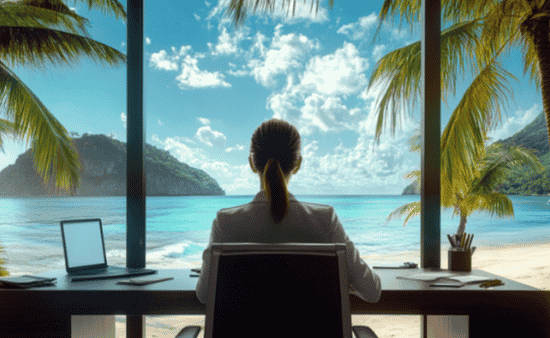
One of the biggest obstacles to relaxation is staying connected to work while traveling. Even a quick email check can pull you back into stress.
Setting clear boundaries before your trip is essential. Inform colleagues that you will be unavailable, turn off notifications, and avoid checking work-related messages.
This separation allows your mind to fully disconnect and recharge, which is the primary purpose of a relaxing trip.
Slowing Down During the Trip
Once your trip begins, the focus should shift from planning to experiencing. Instead of rushing through activities, take time to fully enjoy each moment.
Spend your day around a simple structure: one activity, one good meal, and a leisurely walk. This balance keeps you engaged without feeling overwhelmed.
Simple Ways to Stay Relaxed
During your trip, try to:
- Wake up without alarms whenever possible
- Take breaks between activities
- Sit and observe your surroundings
- Allow yourself to do nothing without guilt
These small adjustments can make a big difference in how you feel throughout your trip.
Staying Local and Building a Routine
Instead of constantly exploring new places, consider staying local and building a temporary routine. Visiting the same café, walking the same path, or shopping at a nearby market can create a sense of familiarity and comfort.
This routine reduces decision fatigue and helps you feel more grounded. It also allows you to experience the destination more authentically rather than as a tourist rushing through highlights.
Managing Stress and Expectations
Even with careful planning, things may not always go perfectly. Flights can be delayed, weather can change, and plans may need to be adjusted.
The key to staying relaxed is managing your expectations. Accept that not everything will go as planned and focus on enjoying what you can control. This mindset shift can significantly reduce stress and improve your overall experience.
Practicing mindfulness can also help. Taking a moment to notice your surroundings—what you see, hear, and feel—can bring you back to the present and reduce anxiety.
Prioritizing Comfort, Sleep, and Well-Being

Comfort is often overlooked in travel planning, but it plays a major role in how relaxed you feel. Choosing comfortable clothing, booking quality accommodations, and ensuring good sleep can make your trip far more enjoyable.
Avoid overexerting yourself physically. Gentle activities like walking, swimming, or yoga can help you stay active without draining your energy. The goal is to feel refreshed, not exhausted.
Enjoying Food Without Pressure

Food is an important part of travel, but it shouldn’t become a source of stress. Instead of chasing popular or crowded restaurants, focus on simple and enjoyable dining experiences.
Trying local food, cooking your own meals, or revisiting a favorite spot can create a more relaxed and satisfying experience. Eating at your own pace, without rushing, adds to the overall sense of calm.
FAQs About How to Travel for Relaxation Not Stress
How to be less stressed when travelling?
To reduce travel stress, plan ahead, keep your itinerary simple, and avoid overpacking. Setting boundaries with work and allowing time for rest can also help you stay calm and relaxed.
What are the 5 W’s of travel?
The 5 W’s of travel are Who, What, When, Where, and Why. These questions help you clarify your purpose, plan effectively, and ensure your trip aligns with your goals.
What immediately relaxes you?
Activities like deep breathing, listening to calming music, spending time in nature, or simply resting can help you relax instantly. The key is to focus on what makes you feel comfortable and at ease.
Why can’t I relax and enjoy vacation?
Many people struggle to relax because they carry stress from daily life into their trip. Overplanning, staying connected to work, and high expectations can also prevent relaxation. Letting go of control and slowing down can help you enjoy your vacation more.
The Real Secret to Stress-Free Travel
Traveling for relaxation is not about the destination alone—it’s about how you approach the entire experience. By slowing down, simplifying your plans, and focusing on comfort, you can turn any trip into a peaceful retreat.
Learning how to travel for relaxation not stress means prioritizing your well-being over expectations. It’s about giving yourself permission to rest, enjoy, and be present.
These principles also align closely with how to plan a quiet weekend getaway, where the focus is on simplicity, calm surroundings, and meaningful experiences. Whether it’s a short trip or a longer vacation, the goal remains the same: to return feeling better than when you left.