
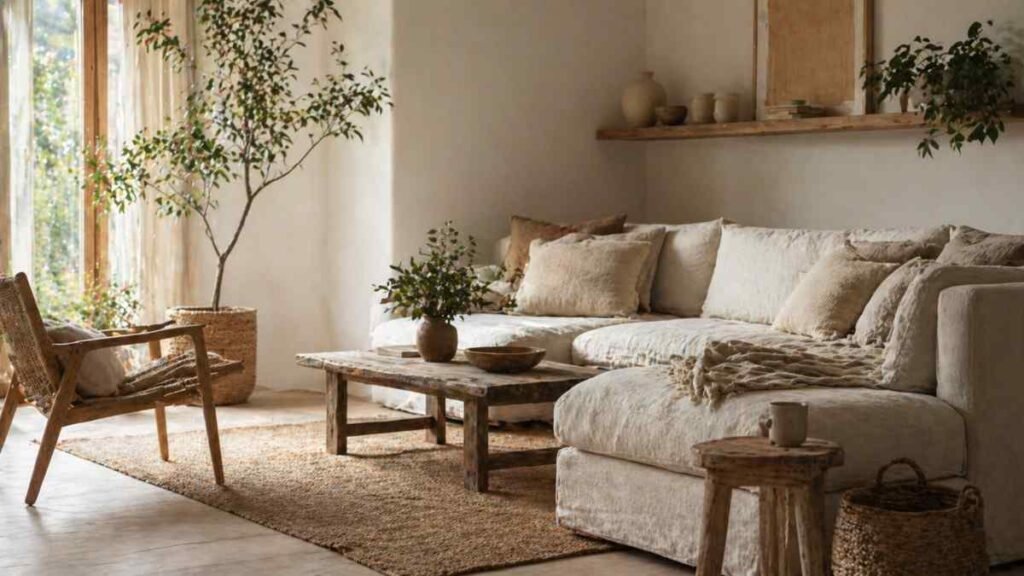
Stepping into a home that feels peaceful instead of overwhelming can completely change your mood. The desire to design a calm living space often comes from feeling mentally drained by clutter, noise, and constant stimulation. A calm home is not just about how it looks. It is about how it makes you feel the moment you walk in.
The Problem With Overstimulating Homes
Modern homes often feel busy even when nothing is happening, and that constant stimulation quietly affects your well-being.
Too Much Visual Noise
Rooms filled with bold colors, scattered decor, and open storage create visual chaos. The brain keeps processing everything in sight, which makes relaxation harder than it should be.
Clutter Increases Stress
Clutter is more than a mess. It signals unfinished tasks to your brain, which keeps you mentally alert. This is why even small piles of items can feel overwhelming after a long day.
Lack Of Functional Flow
When furniture blocks pathways or rooms serve too many purposes, your home starts to feel confusing. A poor layout disrupts movement and adds subtle tension to everyday life.
The Science Behind A Calm Living Space
A calm home is not just a design trend. It is backed by how your brain responds to your environment.
How The Brain Reacts To Clutter
Research shows that clutter raises cortisol levels, which is the hormone linked to stress. A clear space helps your mind slow down and feel more in control.
Sensory Balance Creates Calm
A peaceful home design reduces sensory overload. Soft lighting, gentle textures, and muted colors signal safety to your nervous system and encourage relaxation.
Why Simplicity Works
While minimalist living space ideas are popular, the real goal is intention. A calm space keeps what matters and removes distractions, creating clarity without feeling empty.
Design A Calm Living Space With The Right Elements
Creating calm starts with choosing the right foundational elements that shape how your home feels.
Choose A Soft Color Palette
Using muted neutrals, powdery pinks, or cool blues helps create a soothing environment. These tones reduce visual tension and make spaces feel open and airy.

Bring In Natural Materials
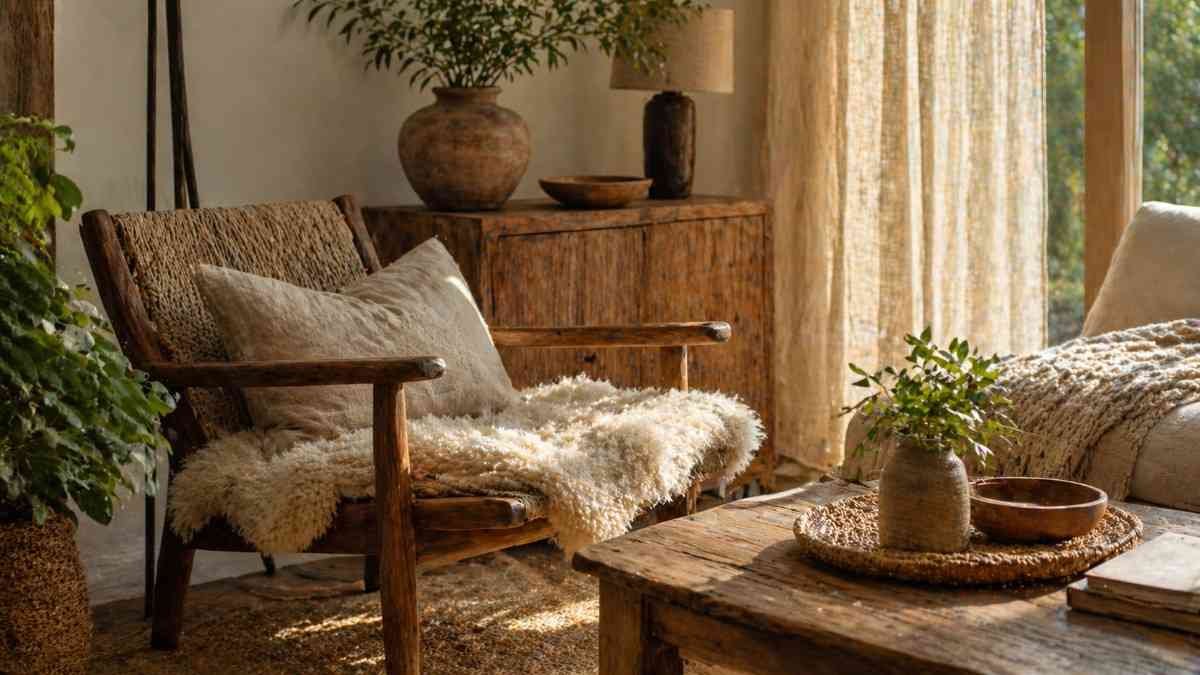
Incorporate wood, stone, linen, and rattan to add warmth and texture. Natural materials connect your space to the outdoors and make it feel grounded and inviting.
Use Soft And Layered Lighting
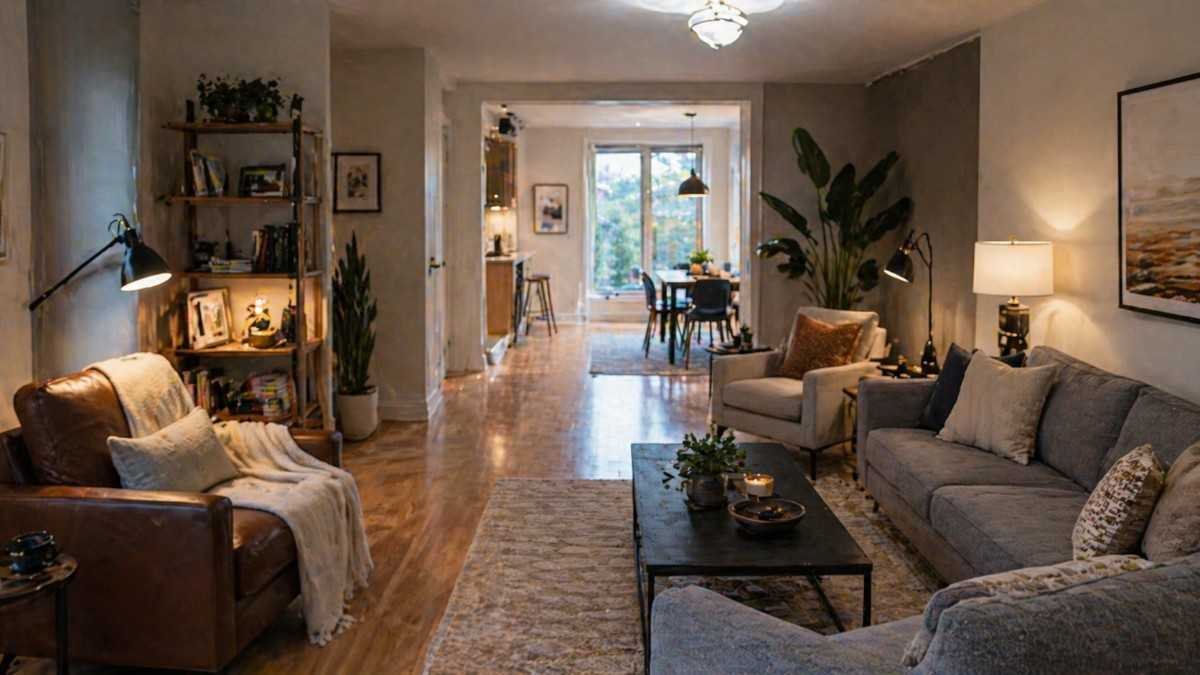
Avoid harsh overhead lights. Instead, use table lamps, floor lamps, and dimmable bulbs to create a warm and relaxing glow that supports a calm atmosphere.
Key Elements For A Serene Atmosphere
These essential details work together to transform your home into a calming retreat.
Add Soft Textures And Comfort
Introduce cozy elements like wool blankets, soft cushions, and layered fabrics. These textures create comfort and make your space feel welcoming.
Embrace Minimalism And Decluttering
Keep surfaces clear and use closed storage like baskets or cabinets to hide clutter. This reduces visual stress and keeps your environment peaceful.
Include Nature And Organic Shapes
Plants bring life and freshness into a room while improving air quality. Rounded furniture and soft edges create a sense of safety and ease within your space.
Functional Layout Tips For Calm Living
A well-planned layout makes your home feel effortless and easy to live in.
Create Seating Circles
Arrange sofas and chairs in a way that encourages conversation instead of focusing only on a screen. This creates a more connected and relaxed atmosphere.
Design Separate Zones
Even small spaces can benefit from defined areas. A reading corner or quiet spot lets you have your cozy calm everyday routine. It helps your mind switch into relaxation mode.
Maintain Clear Walkways
Keep pathways open and uncluttered. Easy movement through a space reduces stress and makes your home feel more spacious.
How To Design A Calm Living Space
Bringing everything together starts with awareness and small intentional changes that build over time.
Start by observing your current space and noticing what feels overwhelming. Focus on decluttering visible areas first, such as tables or shelves, to create immediate relief. This simple step can make your home feel lighter and more manageable.
Next, refine your color palette and remove items that clash visually. Replace them with softer tones and cohesive textures. Add natural materials like wood or linen to create warmth while keeping the overall look balanced.
Then, improve your lighting and layout. Open up your space to natural light using sheer curtains and add warm lighting for evenings. Rearrange furniture to create clear zones and smooth movement. These adjustments help you understand how to make your home feel calm in a practical way.
Practical Implementation Tips
Turning ideas into action becomes easier when you focus on simple, consistent steps.
Start Small And Stay Consistent
Choose one area to improve instead of changing everything at once. Small wins build momentum and make the process enjoyable.
Use Smart Storage Solutions
Closed storage keeps clutter out of sight while maintaining a clean look. This helps your space stay calm even during busy days.
Focus On Function First
Every item should have a purpose. When your home supports your daily routine, it naturally feels more organized and peaceful.
Visual Examples Of Calm Living Spaces
Seeing real spaces can help you imagine how these ideas come together in everyday homes. These spaces show how soft colors, natural elements, and thoughtful layouts create a calm atmosphere without feeling empty or cold.
Personalize Your Calm Living Space
A calm home should reflect your personal style, lifestyle and needs while maintaining a sense of balance.
Adapt For Small Spaces
Use light colors, mirrors, and multi-functional furniture to create openness. Keep decor minimal but meaningful to avoid overcrowding.
Create Calm For Busy Lifestyles
Set up a dedicated relaxation zone where work is not allowed. This helps your mind disconnect and recharge.
Balance Family Life And Calm
Use organized storage and flexible layouts to manage shared spaces. A calm home can still feel lively and welcoming.
Frequently Asked Questions
1. What Is The First Step To Design A Calm Living Space?
Start with decluttering visible areas and simplifying your layout. This creates instant mental relief and sets the foundation for a calm environment.
2. How To Design A Calm Living Space In A Small Apartment?
Use light colors, natural light, and multi-functional furniture. Keep decor minimal and define small zones for different activities.
3. Do Minimalist Living Space Ideas Always Work?
Not always. Calm comes from balance and intention, not strict minimalism. Keep what adds comfort and remove what creates stress.
4. How To Make Your Home Feel Calm Quickly?
Clear surfaces, adjust lighting to warm tones, and add one natural element like a plant. Small changes can shift the mood instantly.
Calm Feels Like Coming Home
Learning to design a calm living space is about creating an environment that supports your mind and daily life. By choosing soft colors, natural materials, and thoughtful layouts, your home can become a place that restores you. Calm is not about perfection. It is about intention, balance, and creating a space where you can truly relax and feel at ease.