

Sleep used to come naturally, but for many of us, nights have turned into a cycle of overthinking and restlessness. That’s exactly what led me to explore relaxation therapy for insomnia as a practical, science-backed way to reset sleep patterns. Instead of forcing sleep, this approach focuses on calming the mind and body so sleep happens naturally again.
What Is Relaxation Therapy for Insomnia?
Relaxation therapy for insomnia refers to a set of techniques that reduce mental stress and physical tension, both of which are key triggers of sleeplessness. It is commonly used within Cognitive Behavioral Therapy for Insomnia, often recommended by sleep experts as the most effective non-medication treatment.
These methods work by activating your body’s relaxation response. This lowers heart rate, reduces cortisol, and signals your brain that it is safe to rest. Instead of chasing sleep, you are removing the barriers that block it.
From a clinical perspective, insomnia is often linked to hyperarousal. That means your brain stays alert even when your body is tired. Relaxation therapy directly targets this imbalance and helps restore a natural sleep rhythm.
Key Relaxation Techniques for Insomnia
Effective relaxation techniques for insomnia include deep breathing, progressive muscle relaxation, guided imagery, and mindfulness meditation. Each method works slightly differently, but all aim to calm the nervous system and reduce overactivity in the mind.
Consistency is what makes them powerful. Practicing these techniques every night builds a strong mental association between relaxation and sleep, making it easier to fall asleep over time.
Progressive Muscle Relaxation Insomnia Step by Step
- Start from your toes and gradually move upward.
- Tighten each muscle group for 2 to 10 seconds, then slowly release.
- Focus on the feeling of relaxation before moving to the next area.
- Continue this process up to your face.
This technique works because it shifts your focus away from racing thoughts and into your body. It also teaches your muscles the difference between tension and relaxation, which is crucial for better sleep.
4-7-8 Breathing Method for Deep Calm
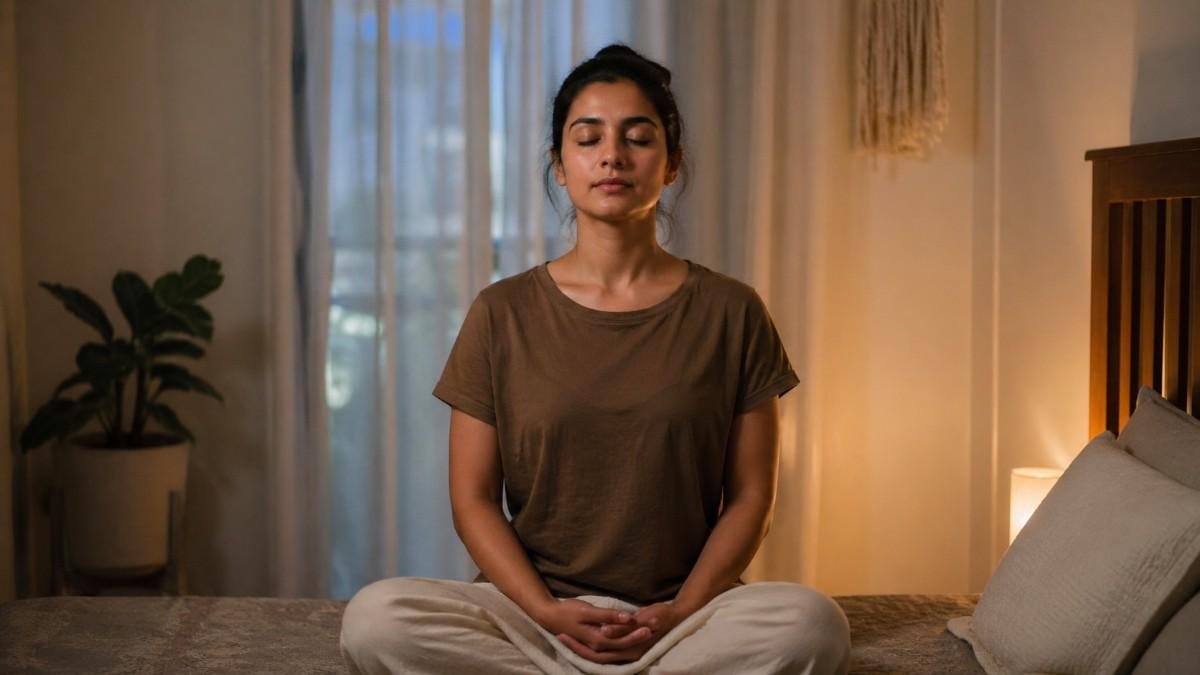
Inhale through your nose for 4 seconds, hold your breath for 7 seconds, then exhale slowly through your mouth for 8 seconds. Repeat this cycle 3 to 4 times.
Longer exhales help activate the parasympathetic nervous system. This is the part of your body responsible for relaxation and recovery. Over time, this technique can significantly reduce sleep latency.
Guided Imagery and Mindfulness Meditation
Guided imagery involves visualizing a peaceful setting like a beach or forest. Focus on sensory details such as sounds, smells, and textures. This distracts your mind from stress and anchors it in calm imagery.
Mindfulness meditation, on the other hand, teaches you to observe thoughts without reacting. Instead of fighting your thoughts, you gently bring your attention back to your breath. This reduces mental resistance and promotes relaxation.
Relaxation Therapy for Insomnia at Night Routine
Creating a nightly system ensures your brain begins to associate specific actions with sleep. This is a core principle of behavioral sleep therapy and plays a huge role in long-term success.
A Simple 30-Minute Routine
Start by dimming lights and avoiding screens for the first 10 minutes. Gentle stretching can help release physical tension built up during the day.
Next, spend 10 minutes practicing progressive muscle relaxation combined with deep breathing. This helps calm both body and mind simultaneously.
In the final 10 minutes, use guided relaxation therapy for sleep anxiety through an audio or visualization exercise. Only go to bed when you feel sleepy, not just tired.
Real Case Study Example
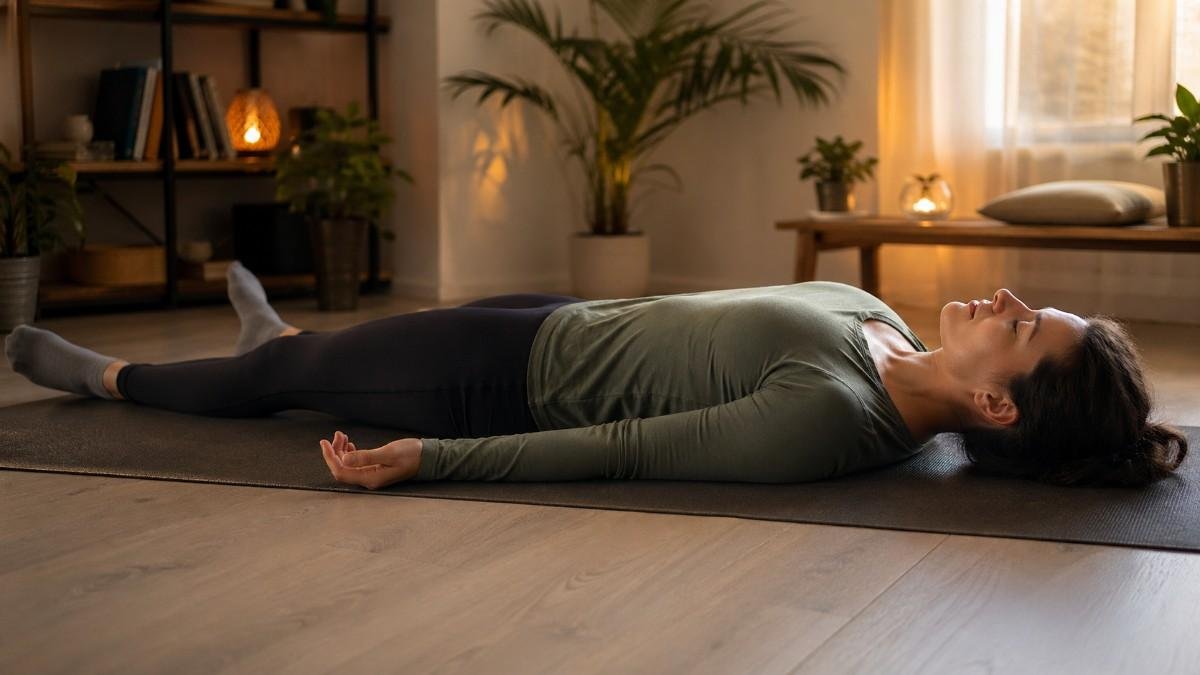
A working professional struggling with chronic insomnia followed this exact routine for three weeks. Initially, it took over an hour to fall asleep. By the end of the third week, sleep onset reduced to under 20 minutes.
The biggest improvement came from sticking to the routine daily. Even on difficult nights, consistency helped retrain the brain to respond to relaxation cues.
Tips for Better Results
Practice at the same time every night to build a habit. Keep your environment calm and distraction-free. If physical tension feels uncomfortable, visualize relaxation instead of forcing muscle contractions. Avoid multitasking during relaxation. Your focus should remain entirely on the technique you are practicing.
Common Mistakes That Ruin Results
Many people try relaxation therapy inconsistently. Skipping nights breaks the mental association needed for results. Your brain needs repetition to learn that these cues mean sleep is coming.
Another mistake is trying too hard to fall asleep. This creates performance anxiety, which makes insomnia worse. The goal is to relax, not to force sleep.
Using your phone during relaxation is another major issue. Blue light and mental stimulation keep your brain alert. Replace screen time with audio-based relaxation tools instead.
Smart Tools to Support Relaxation Therapy for Insomnia
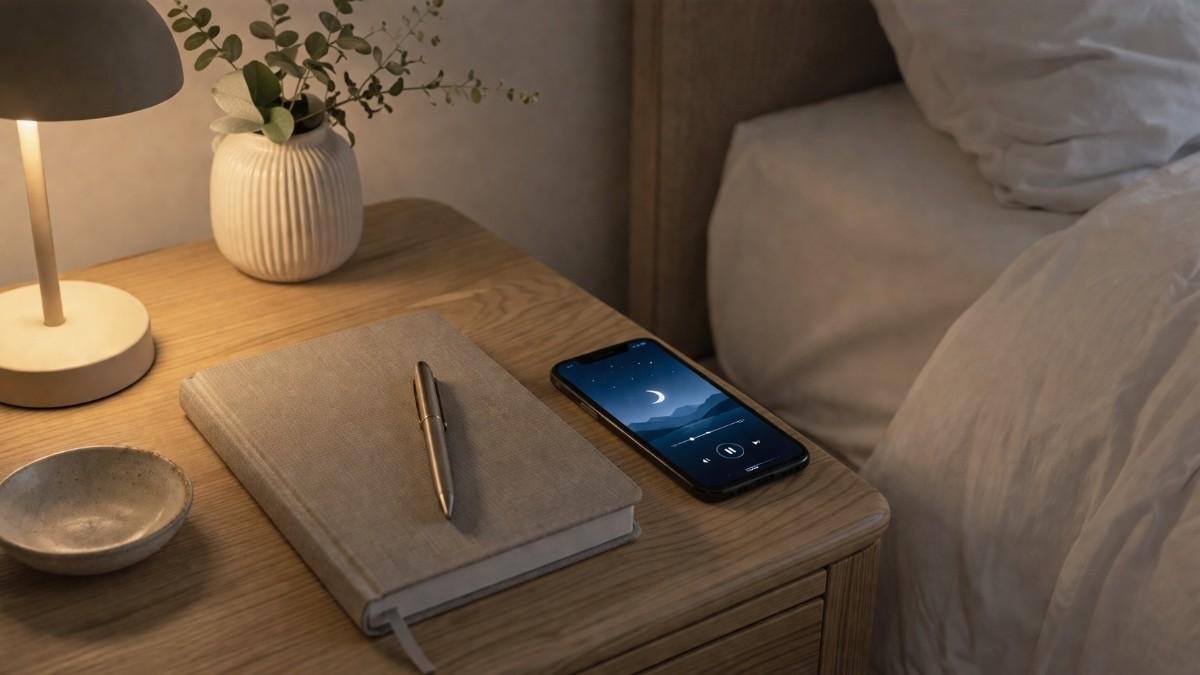
Sleep audio apps are a great starting point. They provide guided relaxation therapy for sleep anxiety, helping you stay focused without effort. White noise or calming sounds can also block distractions.
A simple sleep tracker works well and can help monitor your progress. Track your bedtime, relaxation practice, and sleep quality. This creates awareness and helps you identify what works best for you.
Breathing timer apps are another useful tool. They guide your inhale and exhale patterns, removing the need to count manually and helping you stay consistent with techniques like the 4-7-8 method.
Expert Insights on Relaxation Therapy for Insomnia
Sleep specialists often emphasize that relaxation techniques work best when combined with behavioral strategies. This includes maintaining a consistent sleep schedule and limiting time spent awake in bed.
Behavioral sleep therapists also highlight that results typically appear within two to four weeks of consistent practice. Patience is key, as your brain needs time to adapt to new patterns.
The biggest takeaway from experts is simple. Relaxation therapy is not a quick fix, but it is one of the most reliable long-term solutions for insomnia.
Frequently Asked Questions
1. What is the 3-3-3 rule for insomnia?
It involves identifying three things you see, hear, and feel to ground your mind and reduce anxiety before sleep.
2. What type of therapy is best for insomnia?
Cognitive Behavioral Therapy for Insomnia is considered the most effective long-term treatment.
3. What is the Japanese trick to sleep?
It involves relaxing each body part slowly and visualizing calm scenes to help the body drift into sleep naturally.
4. What is the 15 minute rule for insomniacs?
If you cannot sleep within 15 to 20 minutes, leave the bed and do a calming activity until you feel sleepy again.
Sleep Wins Start Small
Relaxation therapy for insomnia is not about doing everything perfectly. It is about creating a calm, repeatable system that trains your body to unwind naturally. With consistent practice, the right techniques, and a simple routine, better sleep becomes achievable. Stick with relaxation therapy for insomnia and let your nights slowly return to what they should be: restful and restorative.