
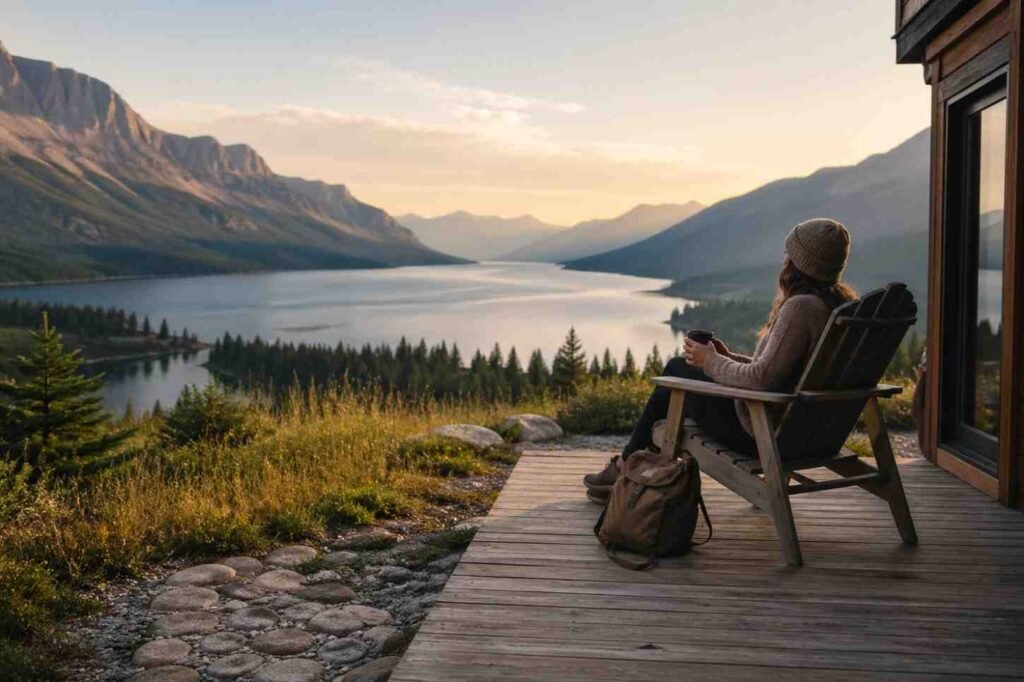
There was a point when I started noticing that even my “breaks” felt noisy. Trips were packed, schedules were tighter than workdays, and I would come back feeling just as drained, sometimes worse. That’s when the idea of travel for peace and quiet stopped sounding boring and started feeling necessary.
The shift wasn’t dramatic at first. It was just choosing fewer plans, quieter places, and longer pauses. But the impact? That was immediate. The noise in my head started to settle. Decisions felt lighter. And for the first time in a while, I wasn’t trying to keep up with anything.
Why Travel for Peace and Quiet Works Differently

Most vacations are built around doing more places, more photos, more experiences. Quiet travel flips that completely. It’s less about movement and more about presence.
When you remove constant stimulation, your brain finally gets space to slow down. Stress hormones begin to drop, your breathing becomes steadier, and your attention stops jumping between a hundred things. That’s where the reset begins, not in the destination, but in the absence of noise.
What stood out to me was how quickly this shift happens. Within a couple of days, you stop reaching for your phone out of habit. You notice small things again, how long a walk feels, how silence actually sounds, how your thoughts aren’t as rushed.
What Actually Happens to Your Mind
Mental Decluttering Becomes Real
We often underestimate how much mental clutter we carry. Notifications, decisions, conversations, it all stacks up. Quiet travel interrupts that loop.
Without constant input, your mind starts sorting itself out. Thoughts that felt overwhelming suddenly feel manageable. You’re no longer reacting, you’re observing.
Stress Levels Drop Without Effort

You don’t need a strict routine or wellness plan. Just being in a calm environment, whether it’s near water, forests, or open landscapes, naturally lowers stress.
Your body responds before you even realize it. Shoulders relax. Sleep improves. You stop feeling “on edge” all the time.
You Think More Clearly
One thing I didn’t expect was how much sharper my thinking became. When your brain isn’t overloaded, it starts making better connections.
Ideas flow more easily. Problems feel less complicated. You’re not forcing clarity; it just shows up.
Emotions Feel More Manageable
Silence has a way of bringing things up, but in a good way. Without distractions, you actually process what you’ve been avoiding.
It’s not overwhelming. It’s calmer, slower, and more honest.
The Changes You Notice After Coming Back

The real impact of travel for peace and quiet doesn’t end when the trip does. That’s where it actually becomes valuable.
Your Daily Rhythm Resets
After spending days without constant stimulation, your habits shift naturally. Late-night scrolling feels less appealing. You start sleeping earlier. Your mornings feel less rushed.
It’s not discipline, it’s just a different baseline.
You Set Better Boundaries
Once you disconnect fully, even for a short time, something clicks. You realize that not everything needs your immediate attention.
Work can wait. Messages can wait. And surprisingly, nothing falls apart.
That realization stays with you.
Problems Feel Smaller
Distance changes perspective. Things that felt urgent or overwhelming before your trip lose their intensity.
You come back seeing situations more clearly, without the emotional weight attached to them.
Focus Improves Without Forcing It
Instead of jumping between tasks, your attention becomes more stable. You can sit with one thing longer.
That alone makes a huge difference in productivity, not the rushed kind, but the steady, intentional kind.
Choosing the Right Kind of Quiet

Not all travel creates this effect. The environment matters more than people think.
Places that naturally support this reset tend to have:
- Less crowd density
- Strong connection to nature
- Slower pace of life
- Minimal distractions
That’s why many people now look for bold, unique stay experiences that go beyond hotel spaces that are intentionally designed for stillness, privacy, and a deeper connection with the surroundings.
Simple Ways to Make the Reset Actually Work
You don’t need to plan everything perfectly. In fact, overplanning defeats the purpose. But a few intentional choices make a big difference:
- Keep your itinerary light – Leave space in your day to do nothing
- Limit digital noise – Even reducing notifications helps
- Spend time in nature – Water, forests, and open spaces have a noticeable calming effect
- Add buffer time – Give yourself a day before returning to routine
These aren’t rules. They’re just ways to protect the quiet you’re trying to experience.
It’s Less About the Trip, More About What Stays

What surprised me the most wasn’t how calm I felt during the trip, but how long that feeling stayed after.
You don’t return as a completely different person. But you do return slightly clearer, slightly calmer, and a lot less reactive.
And over time, those small shifts start shaping how you live your daily life.
Frequently Asked Questions: How Travel for Peace and Quiet Can Reset Your Mind and Daily Life
1. Is travel for peace and quiet better than regular vacations?
It depends on what you need. If you’re feeling mentally drained or overstimulated, quiet travel offers deeper recovery compared to activity-heavy trips.
2. How long should a quiet trip be to feel the benefits?
Even 3–5 days can make a noticeable difference. The key is reducing stimulation, not just extending the duration.
3. Do I have to travel alone for this to work?
Not necessarily. But being with people who respect the need for space and calm is important.
4. What kind of places are best for quiet travel?
Nature-focused locations like coastal areas, mountains, forests, or small towns tend to work best because they naturally reduce noise and distractions.
A Slower Way to Come Back to Yourself
The biggest realization from choosing travel for peace and quiet is this rest isn’t about escaping your life, it’s about resetting how you show up in it. When your mind slows down, everything else starts to feel more manageable.
And once you experience that kind of clarity, it becomes something you want to return to, not just in travel, but in everyday life.