I still remember my first attempt at photographing “epic” landscapes—it was blurry, badly framed, and honestly… disappointing. If you’ve ever searched for scenic photo spots around the world and felt overwhelmed, you’re not alone.
The truth is, you don’t need expensive gear or years of experience. You just need the right locations, timing, and a simple routine you can follow anywhere.
This guide is built for beginners like you—real places, real tips, and what actually works when you’re standing there with a camera in your hand.
Key Takeaways
- You don’t need perfect gear—light and timing matter more
- Famous spots are easier for beginners because composition is “built-in”
- Night photography requires planning, not luck
- Urban scenes train your eye faster than landscapes
- The best photos come from patience, not rushing
What Are the Best Scenic Photo Spots Around the World for Beginners?
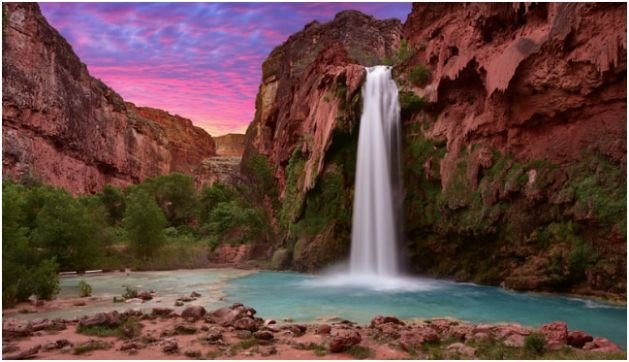
Banff National Park and Torres del Paine National Park are perfect starting points. Wide landscapes and natural symmetry make composition easier when you’re learning.
I’ve found that places like Seljalandsfoss or Havasu Falls almost “guide” your shot. You just need to show up at the right time.
If you’re nervous about composition, start with locations that already look like postcards. It builds confidence fast.
Why Do Urban Street Scenes Improve Your Photography Faster?
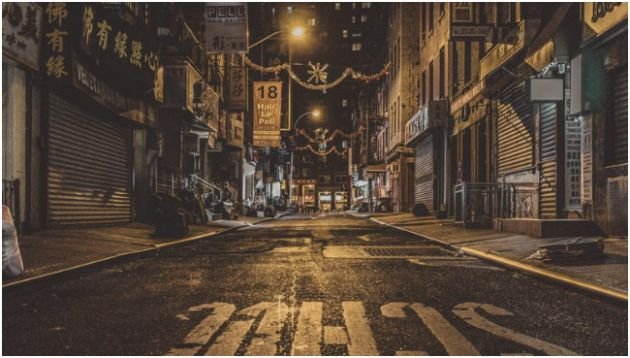
Cities like Shinjuku or Manhattan teach you how to react quickly. Light changes, people move, and moments disappear in seconds.
When I started, I avoided busy places. Big mistake. Street scenes force you to notice light, shadows, and timing.
Even a rainy evening in Soho can teach you more than a quiet mountain ever will.
How Can You Capture the Night Sky Without Failing?
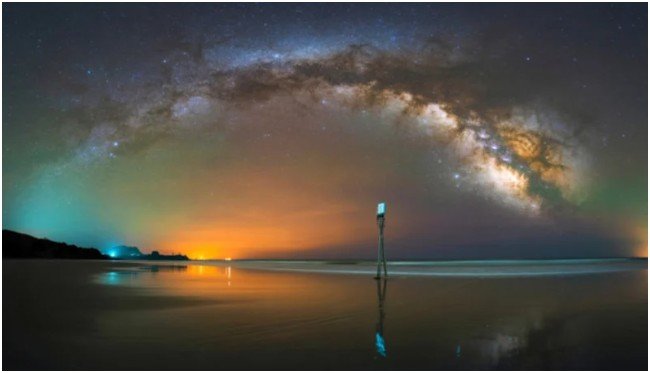
Astrophotography sounds intimidating, but places like Atacama Desert and Aoraki / Mount Cook make it easier because the sky does most of the work.
Here’s what beginners usually miss: it’s not about the stars—it’s about the foreground. A tree, a mountain, or even rocks make your photo feel real.
If you ever get the chance, Tromsø for the Northern Lights or Joshua Tree National Park for Milky Way shots are beginner-friendly gold.
What’s the Biggest Mistake Beginners Make?
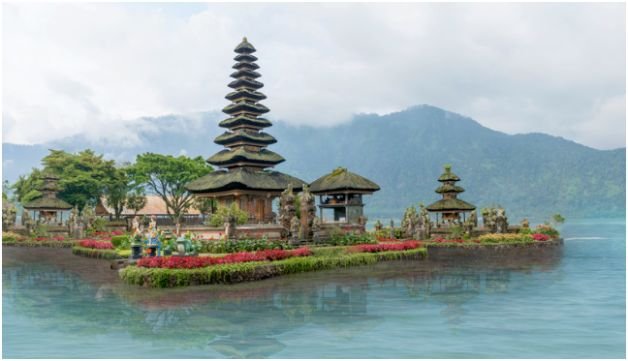
Rushing.
I used to show up, click a few shots, and leave. That’s why my photos looked average.
Places like Mount Fuji or Ulun Danu Beratan Temple change completely depending on the time of day.
If you wait just 20–30 minutes longer, the light softens, shadows stretch, and suddenly your photo looks professional.
Patience is your unfair advantage.
How To Scenic Photo Spots Around the World
Start by picking one location instead of trying to shoot everything. I usually arrive at least an hour before sunrise or sunset so I can walk around and test angles. You should do the same—it removes pressure and helps you understand the scene.
Next, focus on one subject. It could be a mountain peak, a temple, or even a street corner. Don’t try to capture everything. Simplicity always wins.
Then adjust your position instead of your camera settings first. Move left, crouch down, or step back. Small movements can completely change your frame.
Finally, wait. Watch how the light changes. Most beginners shoot too early and miss the best moment.
Scenic Photo Spots Around the World – FAQs
1. What are the easiest scenic photo spots around the world for beginners?
Places like Banff, Iceland waterfalls, and Mount Fuji are beginner-friendly because they offer natural composition and dramatic lighting without much effort.
2. Do I need an expensive camera for scenic photo spots around the world?
No. A smartphone with good lighting can outperform a DSLR used at the wrong time of day. Light matters more than gear.
3. When is the best time to shoot scenic photo spots around the world?
Golden hour—just after sunrise or before sunset—gives soft light, long shadows, and richer colors.
4. Are crowded places bad for photography?
Not always. Crowds can add life and storytelling, especially in urban spots like Tokyo or New York.
Your Camera Won’t Save You—But This Will
Scenic photo spots around the world look incredible—but they don’t guarantee great photos. Your habits do.
Here’s the simple routine I follow every time:
| Step | What I Do | Why It Works |
| Arrive Early | 45–60 mins before | Better light + less stress |
| Walk First | No shooting initially | Understand composition |
| Pick One Subject | Keep it simple | Avoid clutter |
| Wait for Light | Don’t rush | Best shots come late |
| Shoot Multiple Angles | Move physically | Adds variety |
If there’s one thing I’d tell you—it’s this: your best photo usually happens after you think you’re done.
Stay a little longer. That’s where the magic is.