Stress rarely shows up all at once. It builds quietly through deadlines, constant notifications, and restless thoughts that won’t switch off. Discovering the best ways to relax naturally becomes less about luxury and more about survival in a fast-paced world. Real calm does not come from quick fixes. It comes from small, consistent habits that help your mind and body feel safe again.
Why Natural Relaxation Matters?
Modern lifestyles keep your nervous system stuck in overdrive. According to the American Psychological Association, long-term stress affects sleep, focus, and emotional balance. This is why natural relaxation techniques are so powerful. They work with your biology instead of forcing it.
Natural methods such as breathing exercises, mindfulness, and movement activate the parasympathetic nervous system. This helps lower cortisol, reduce anxiety, and restore balance without dependency on external stimulants. Over time, your body becomes better at calming itself naturally.
Best Ways To Relax Naturally With Proven Techniques
These techniques are simple, effective, and backed by both science and real-life results.
Deep Breathing That Calms Instantly
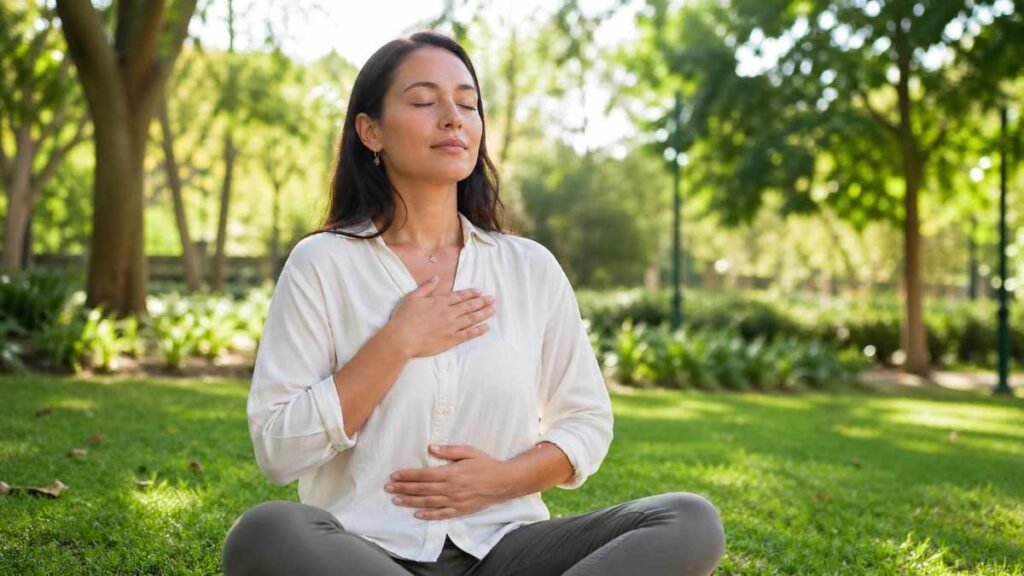
Your breath is the fastest way to influence your stress response. Deep breathing slows your heart rate and signals safety to your brain. The 4-7-8 method works especially well. Inhale slowly through your nose for four seconds, hold for seven seconds, and exhale through your mouth for eight seconds. This pattern helps reduce anxiety within minutes.
Practicing this daily trains your body to shift into relaxation mode faster. It is one of the easiest ways to calm your mind without needing any tools or preparation.
Progressive Muscle Relaxation
Tension often hides in your body even when you don’t notice it. This technique involves tightening and releasing muscle groups one at a time. Start from your head and slowly move down to your toes. As you release each muscle, your body begins to feel lighter and more relaxed.
It works because physical relaxation directly influences mental calm. When your body lets go of tension, your mind follows naturally.
Mindfulness And Meditation
Your mind needs a pause just as much as your body does. Mindfulness means focusing on the present moment without judgment. Simple practices like sitting quietly and observing your breath can reduce overthinking and improve emotional control.
Meditation also improves long-term resilience to stress. Over time, it rewires your brain to respond more calmly to pressure.
Relax Naturally Through Movement And Nature
Relaxation is not always about being still. Sometimes, movement is exactly what your body needs.
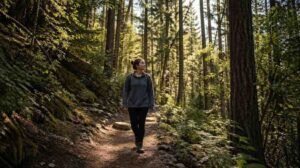
Gentle Physical Movement
Walking, stretching, yoga, or tai chi improve blood flow and release endorphins. These natural chemicals boost mood and reduce tension. Even a short walk can make a noticeable difference in how you feel. Movement also helps break the cycle of overthinking. It shifts your focus from your mind to your body. Light activity helps release built-up stress from your body
Nature Immersion For Mental Clarity
Spending time outdoors has a calming effect on your brain. Walking in a park or sitting near greenery can lower heart rate and reduce stress hormones. Nature provides a quiet environment that helps your mind slow down. Even a few minutes outside can improve focus and emotional balance. It is one of the simplest and most accessible ways to relax naturally.
Aromatherapy And Sensory Calm
Your senses play a powerful role in relaxation. Scents like lavender and chamomile are known to reduce anxiety. Listening to calming music or nature sounds can also lower stress levels. Creating a soothing environment at home helps signal your brain that it is safe to relax. Small sensory changes can make a big difference.
Best Ways To Relax Naturally With Lifestyle Habits
Relaxation is not just something you do occasionally. It is built into your daily routine.
Healthy Routine And Sleep
Your daily habits shape your stress levels more than you think. Getting enough sleep, eating balanced meals, and reducing caffeine intake all support mental calm. Poor sleep increases stress, while good rest helps your body recover. Consistency is key. A stable routine creates a sense of control and reduces anxiety.
Social Connection And Support
You are not meant to handle stress alone. Talking to friends or family can instantly lighten emotional pressure. Social interaction releases oxytocin, a hormone that promotes relaxation and trust. Even a short conversation can shift your mood and help you feel more grounded.
Journaling And Calming Hobbies

Creative outlets give your mind a healthy way to release tension. Writing your thoughts down helps organize your emotions and reduce mental clutter. Hobbies like gardening, painting, or reading create a sense of calm and satisfaction. These activities allow your brain to rest while still staying engaged in something meaningful.
The 3-Level Relaxation System That Works
Not all stress feels the same, so your approach should adapt.
Quick Reset For Busy Moments
When stress hits suddenly, you need something fast. Short breathing exercises or stepping away from your screen for a few minutes can quickly calm your mind. These small resets prevent stress from building up. They are perfect for work breaks or moments of overwhelm.
Mid Reset For Mental Clutter
When your mind feels overloaded, you need a deeper pause. Activities like journaling or stretching help clear brain fog. These methods give your brain space to reset without requiring a long time commitment. They help restore focus and emotional balance.
Deep Reset For Full Recovery
Sometimes, your body needs a complete reset. Long walks, yoga sessions, or meditation allow your nervous system to fully relax. These practices build long-term resilience to stress. They are essential for preventing burnout and maintaining overall well-being.
So How Can You Relax Naturally?
Relaxation becomes easier when you follow a simple process.
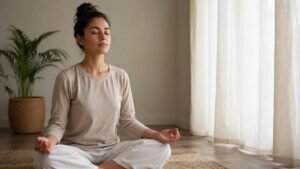
Start by identifying when your stress levels rise during the day. Instead of ignoring it, pause and focus on your breathing. Slow your inhale and extend your exhale to calm your nervous system. This signals your brain that it is safe to relax.
Next, reduce stimulation by stepping away from noise or screens. Give your mind a break from constant input. Then, engage in a calming activity such as walking, stretching, or journaling. These actions help ground your thoughts and release tension.
Repeat these steps regularly. The more you practice, the faster your body learns to relax naturally. Over time, relaxation becomes a habit rather than a struggle.
Frequently Asked Questions
1. What is the 3 3 3 rule for relaxing?
It involves naming three things you see, three sounds you hear, and moving three body parts to ground yourself and reduce stress.
2. What calms you down naturally?
Deep breathing, gentle movement, nature exposure, and mindfulness help lower stress hormones and promote calm.
3. How to trick your brain to relax?
Slow your breathing, change your surroundings, and repeat calming actions to signal safety to your brain.
4. What is the 5 4 3 2 1 rule for anxiety?
It is a grounding method using your senses to bring attention back to the present moment and reduce anxiety quickly.
Relax Smarter, Not Harder
Finding the best ways to relax naturally is not about doing everything perfectly. It is about choosing simple techniques that fit into your daily life. Small actions like breathing deeply, moving your body, or stepping outside can create powerful shifts. When practiced consistently, these habits help your mind stay calm and resilient, no matter how stressful life becomes.