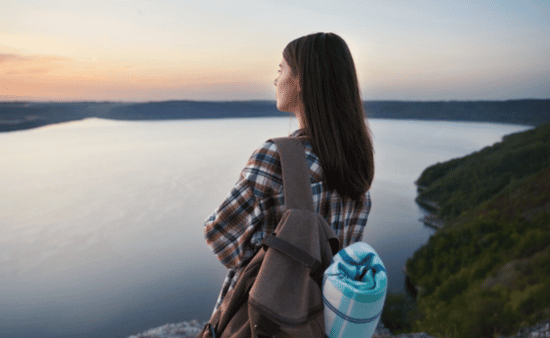
That constant buzz of notifications and daily stress can quietly wear you down. Finding space to pause and breathe feels rare, which is why calming forest retreat ideas have become such a powerful escape. Being surrounded by trees, fresh air, and natural sounds creates a sense of calm that no indoor environment can match.
A calming forest retreat focuses on reconnecting with nature through mindfulness, relaxation, and sensory experiences to reduce stress. Instead of rushing through activities, you slow down, observe, and fully immerse yourself in the environment. This blog will guide you through practical ideas, planning steps, and personalized approaches to help you create your own retreat.
Key Takeaways
- Helps you disconnect from stress and reconnect with nature
- Can be personalized for solo, couples, or family trips
- Smart planning (budget, packing, duration) keeps it smooth
- Key activities include forest bathing, meditation, and journaling
- A clear plan turns ideas into a real, relaxing retreat
What Makes Calming Forest Retreat Ideas So Effective
Understanding why these retreats work helps you make the most of the experience.
The Science Behind Forest Calm
Spending time in forests has been shown to lower stress hormones and improve overall well-being. The natural environment encourages your body to relax and your mind to slow down, creating a sense of balance that is hard to achieve in busy settings.
Mindfulness Through Nature
Calming forest retreat ideas emphasize being present in the moment. Whether you are listening to birds or feeling the texture of leaves, these small sensory experiences help you reconnect with yourself and your surroundings.
Digital Detox Benefits
One of the biggest advantages is stepping away from screens. Reducing digital distractions allows your brain to reset, improving focus and emotional clarity.
Key Calming Forest Retreat Activities
These activities form the core of any successful retreat and help create a truly calming experience.
Forest Bathing (Shinrin-Yoku)
This is the foundation of most calming forest retreat ideas. It involves slow walking while engaging all your senses. You notice the scent of trees, the sound of wind, and the feeling of the ground beneath your feet.
Mindful Meditation And Breathing
Practicing meditation in a forest setting enhances relaxation. Simple breathing exercises help calm your nervous system and improve mental clarity.
Nature Yoga And Movement
Gentle yoga sessions in open spaces or forest clearings help improve flexibility and bring a sense of peace. The combination of movement and nature amplifies the calming effect.

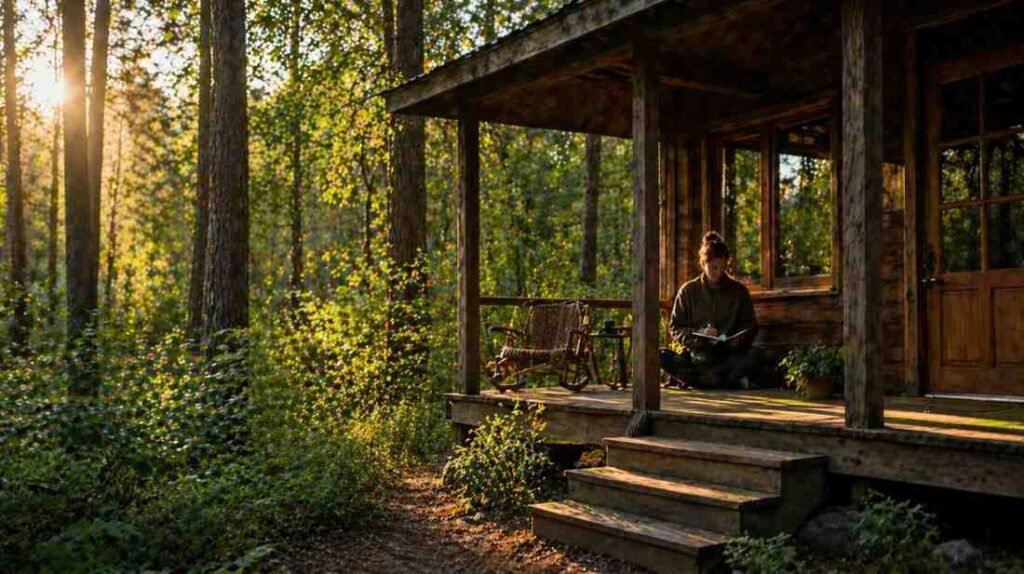
Nature Journaling And Sketching
Writing or drawing in a quiet natural setting encourages creativity and reflection. It helps you process thoughts and appreciate the moment.
Grounding And Barefoot Walking
Walking barefoot on grass or soil connects you directly with the earth. This practice can reduce stress and promote a feeling of calm.
Wildlife Photography And Observation
Capturing moments in nature encourages you to slow down and notice details. It deepens your connection with the environment.
Sound Healing And Hammock Relaxation
Relaxing in a hammock while listening to natural sounds like wind or water creates a deeply soothing experience.
Essential Elements Of A Calming Retreat
These components ensure your retreat feels peaceful and immersive.

Unplugged Living
A key part of calming forest retreat ideas is disconnecting from technology. Turning off devices allows you to fully engage with nature.
Cozy And Simple Accommodations
Choosing a cabin, tent, or eco-lodge adds to the experience. Comfort is important, but simplicity helps maintain focus on relaxation.
Nourishing And Local Meals
Eating simple, healthy meals made from natural ingredients supports your overall well-being during the retreat.
Mindful Hiking Practices
Walking slowly and paying attention to your surroundings makes hiking more relaxing and less physically demanding.
A Simple Daily Routine For Calm
A structured yet flexible routine helps you stay present throughout the retreat.
Morning Reset
Start your day with meditation and a warm drink. This sets a calm tone and prepares your mind for the day ahead.
Midday Immersion
Spend time on a guided or self-led forest walk. Focus on your senses and allow yourself to fully experience the environment.
Afternoon Creativity
Use this time for journaling, sketching, or a gentle hike. These activities help maintain a relaxed state while encouraging creativity.
Evening Wind Down
End your day by sitting near a fire or simply relaxing in silence. Reflect on your day and let your mind settle.

Calming Forest Retreat Ideas For Different Needs
Personalization of outdoor relaxation activities for adults is what makes your retreat truly effective.
Solo Retreat Experience
Solo calming forest retreat ideas focus on introspection and personal growth. Activities like journaling, meditation, and quiet walks help you reconnect with yourself.
Couples Retreat Experience
For couples, these retreats strengthen connection. Shared experiences like stargazing, slow walks, and meaningful conversations create lasting memories.
Family Retreat Experience
Families can enjoy a mix of relaxation and fun. Nature games, short hikes, and shared meals keep everyone engaged while still providing a calming environment.
How To Plan Calming Forest Retreat Ideas Step By Step
Turning ideas into reality requires a clear plan.
- Start by choosing a peaceful forest location that suits your comfort level. Look for places that offer quiet surroundings and minimal distractions.
- Decide how long you want your retreat to be. A weekend is great for beginners, while a longer stay allows deeper relaxation.
- Set a budget for travel that includes accommodation, and food. Simple options often provide the best experience without added stress.
- Plan your activities but keep them flexible. The goal is to relax, not follow a strict schedule.
- Finally, commit to disconnecting from technology so you can fully immerse yourself in the experience.
Practical Planning Tips For A Smooth Retreat
These details help you avoid common mistakes and enjoy your time fully.
Budget Planning Tips
Keep your retreat affordable by choosing simple accommodations and preparing your own meals. Focus on experiences rather than luxury.
Packing Essentials
Bring comfortable clothing, a journal, a reusable water bottle, and basic wellness items. Packing light helps keep your retreat stress-free.
Choosing The Right Duration
Short retreats are ideal for quick relaxation, while longer stays provide deeper benefits. Start small and expand as you become more comfortable.
Frequently Asked Questions
1. What Are Calming Forest Retreat Ideas?
Calming forest retreat ideas focus on relaxing in nature through mindfulness, slow activities, and sensory experiences to reduce stress.
2. How Long Should A Forest Retreat Be?
A weekend works well for beginners, while three to five days allow deeper relaxation and better results.
3. Do I Need Experience For A Forest Retreat?
No experience is required. Anyone can enjoy calming forest retreat ideas with simple activities like walking and meditation.
4. Are Calming Forest Retreat Ideas Expensive?
They can be budget-friendly if you choose simple stays and focus on nature-based activities.
Escape, Breathe, And Reset Naturally
Calming forest retreat ideas offer a simple yet powerful way to step away from stress and reconnect with what truly matters. With the right planning, activities, and mindset, even a short retreat can bring lasting peace and clarity. Taking time to slow down in nature is not just refreshing, it is essential for maintaining balance in everyday life.