There are days when everything feels louder than it should. Notifications don’t stop, conversations feel rushed, and even a simple weekend break somehow turns into another crowded checklist. I’ve noticed that what most people call a “getaway” doesn’t really slow anything down; it just changes the background noise.
That’s why finding truly quiet places to unwind feels different. It’s not about chasing the most popular destination. It’s about choosing spaces where nothing is trying to impress you. No lines, no rush, no pressure to “do more.” Just stillness that lets your mind catch up with itself.
Why Some Places Feel Quiet While Others Don’t
Not every scenic place is actually relaxing. You can be surrounded by mountains or beaches and still feel overwhelmed if the place is packed or overly commercialized. What makes a place feel calm usually comes down to a few simple things: fewer crowds, slower local culture, and less structured tourism.
Places that naturally limit traffic, whether through geography, accessibility, or local choices, tend to preserve that quiet energy. Small coastal towns, lesser-known parks, and car-free islands often create this balance without trying too hard.
Coastal Spots That Still Feel Undiscovered
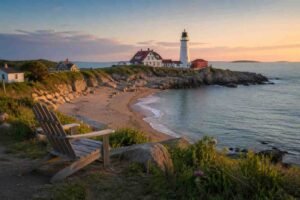
Coastal destinations are usually the first to get crowded, but a few still manage to hold onto their calm.
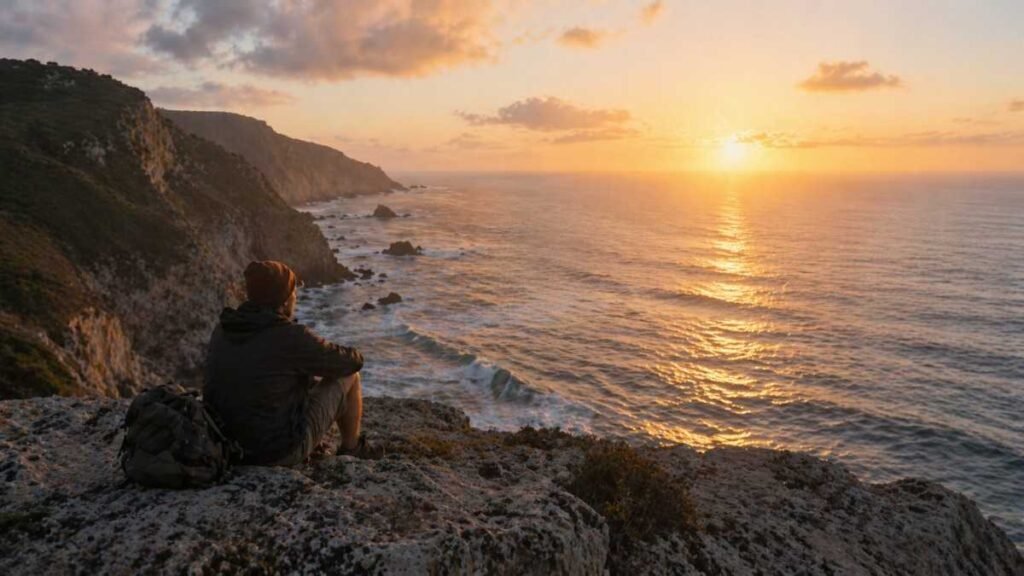
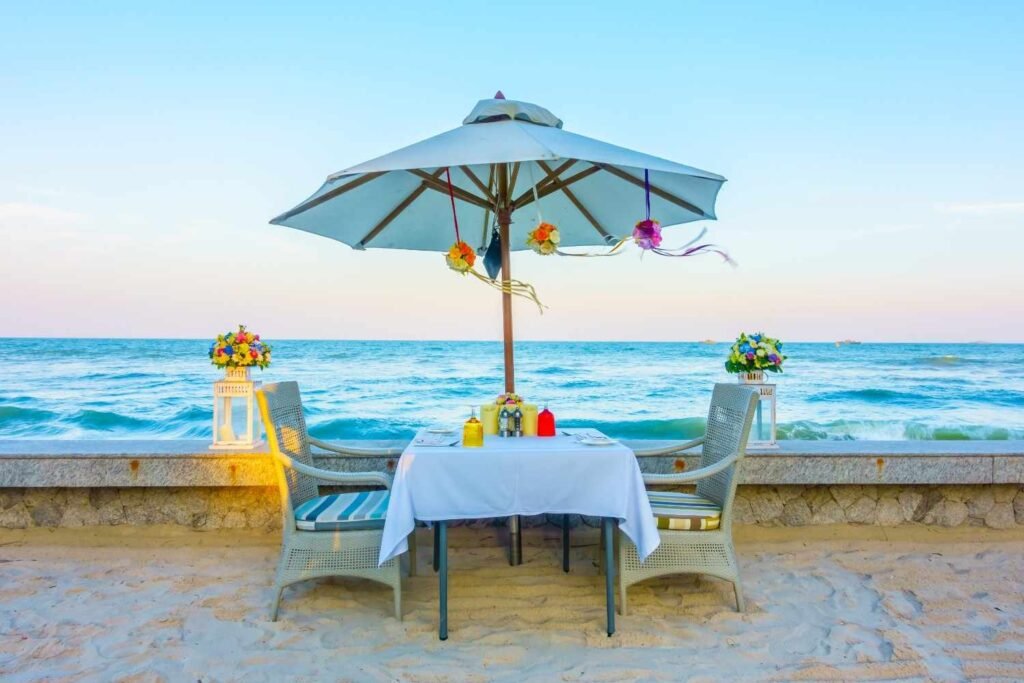
Pawleys Island in South Carolina is one of those places where time feels intentionally slow. There are no flashy resorts competing for attention. Instead, you get long stretches of quiet shoreline, soft evening light, and the kind of silence that makes you stay out longer than planned.
Further north, Chincoteague Island offers a different kind of calm. Known for its wild ponies, it still feels untouched compared to typical beach towns. Early mornings here are especially still, just the sound of water and birds, nothing else pushing into your space.
On the West Coast, Pacific City in Oregon feels grounded and local. It’s scenic, yes, but not overwhelming. You can sit by the shoreline, watch the waves roll in, and not feel like you’re part of a crowd.
Avila Beach in California has a similar energy. It’s small, slightly tucked away, and doesn’t try to compete with bigger coastal destinations. The pace is slower, the streets quieter, and the overall experience feels more personal.
Quiet National Parks That Don’t Feel Overrun
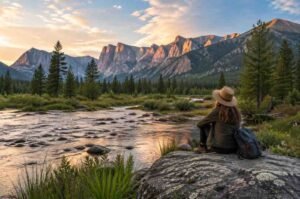
National parks are often associated with crowds, but that’s mostly because people stick to the same few names. There are still places where nature feels open and uninterrupted.
Capitol Reef National Park in Utah is one of those rare spaces where you can hike for hours and barely run into anyone. The landscape is dramatic, but the experience feels private, like you’re discovering it on your own.
Great Basin National Park in Nevada offers a deeper kind of silence. It’s remote, less visited, and filled with small moments that stay with you: ancient trees, dark skies, and trails that don’t feel rushed.
In Montana, the badlands stretch out in a way that makes everything else feel distant. There’s no crowd to navigate, no pressure to move quickly. Just wide, open space and a sense of complete stillness.
New River Gorge, though newer as a national park, still holds onto its quiet side. It’s the kind of place where you can hike, sit, or just drive through without feeling like you’re following a crowd.
How To Find Quiet Places Without Overthinking It
You don’t always need a specific destination. Sometimes, the way you choose matters more than where you go.
Here are a few patterns that consistently lead to quieter experiences:
- Look for places just outside popular destinations
- Choose smaller towns over major cities
- Travel during shoulder seasons instead of peak months
- Prioritize nature-focused stays over entertainment-heavy ones
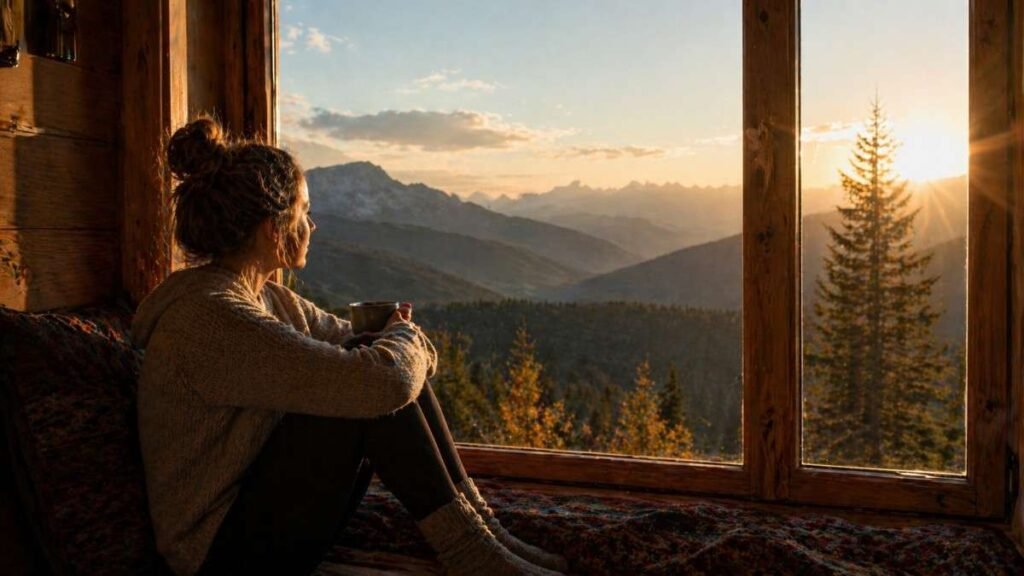
And when it comes to where you stay, the environment matters just as much as the location. I’ve found that choosing a cabin and b&b escapes often changes the entire experience. It naturally slows things down, no crowds, no noise, just a space that feels personal and quiet from the moment you arrive.
It’s Less About Distance, More About Intention
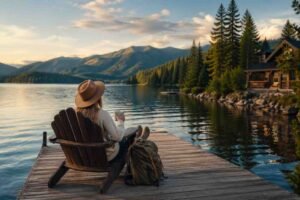
The biggest shift happens when you stop chasing “top places” and start paying attention to how a place feels. Quiet doesn’t always mean remote or hard to reach. Sometimes it’s just about choosing differently.
A less popular beach. A park that isn’t trending. A town that doesn’t show up on every list.
Those are the places where you don’t feel like a visitor. You just exist there for a while, and that’s usually enough.
FAQs: Quiet Places To Unwind That Don’t Feel Touristy Or Overcrowded
1. What are the best types of quiet places to unwind?
Small coastal towns, lesser-known national parks, and remote nature areas tend to offer the most peaceful experiences. Places with limited commercial development usually feel calmer.
2. When is the best time to visit quiet destinations?
Shoulder seasons, spring, and early fall are ideal. You avoid peak crowds while still enjoying good weather and accessibility.
3. Are quiet places always remote or hard to reach?
Not necessarily. Many quiet spots are located near popular destinations but are overlooked by most travelers, making them easy to access without the crowds.
4. How can I make any trip feel more relaxing?
Focus on fewer activities, choose calm accommodations, and avoid overplanning. The less structured your itinerary, the more relaxed the experience feels.
A Slower Way To Reset
Finding quiet places to unwind isn’t really about travel; it’s about stepping out of constant noise. The places that stay with you aren’t always the most famous ones. They’re the ones where nothing demands your attention, where time stretches a little, and where your mind finally slows down.
Once you experience that kind of stillness, you start seeking it differently. Not just in where you go, but in how you choose to spend your time.