In a world that constantly demands attention, a quiet weekend getaway can be the perfect reset. Whether you’re feeling overwhelmed by work or simply craving some peaceful time, stepping away for a couple of days can do wonders for your mind and body.
Many people today prioritize travel for relaxation and enjoyment as a way to improve overall well-being and escape daily stress.
The key is not just going somewhere—but going somewhere intentionally calm, restorative, and stress-free. This guide on how to plan a quiet weekend getaway will help you create a relaxing escape that truly recharges you.
Why a Quiet Weekend Getaway Matters
A short, peaceful trip allows you to disconnect from daily pressures without the complexity of long travel plans. Unlike busy vacations packed with sightseeing, a quiet getaway focuses on slowing down. It gives you space to think clearly, rest deeply, and reconnect with yourself or loved ones.
Choosing a calm environment also improves mental clarity and reduces stress levels. Even a two- or three-day break can significantly boost your mood and energy if planned thoughtfully.
Choosing the Perfect Quiet Destination

The destination sets the tone for your entire getaway. Instead of crowded tourist hotspots, focus on peaceful, less commercial locations that offer natural beauty and privacy.
What to Look for in a Destination
When selecting where to go, prioritize:
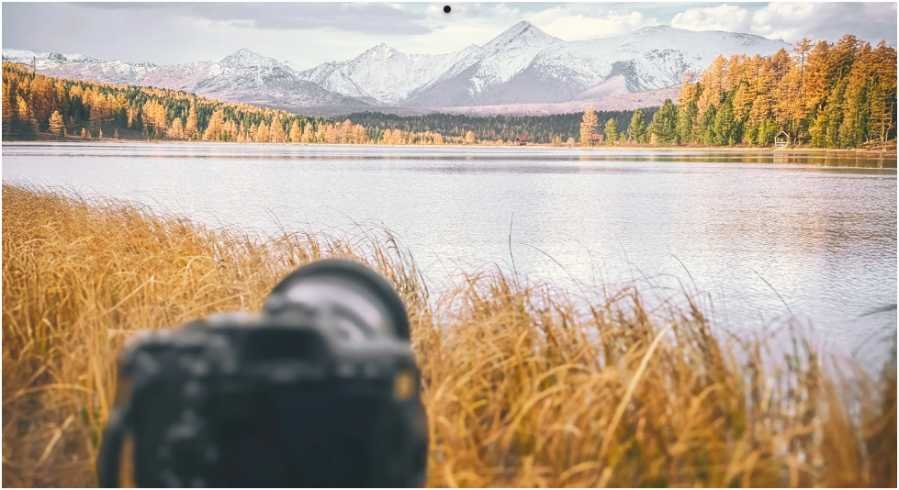
- Remote or less crowded areas such as mountains, forests, or lakesides
- Travel time within 2–4 hours to avoid exhaustion
- Small towns or countryside locations over busy cities
- Scenic surroundings that promote relaxation
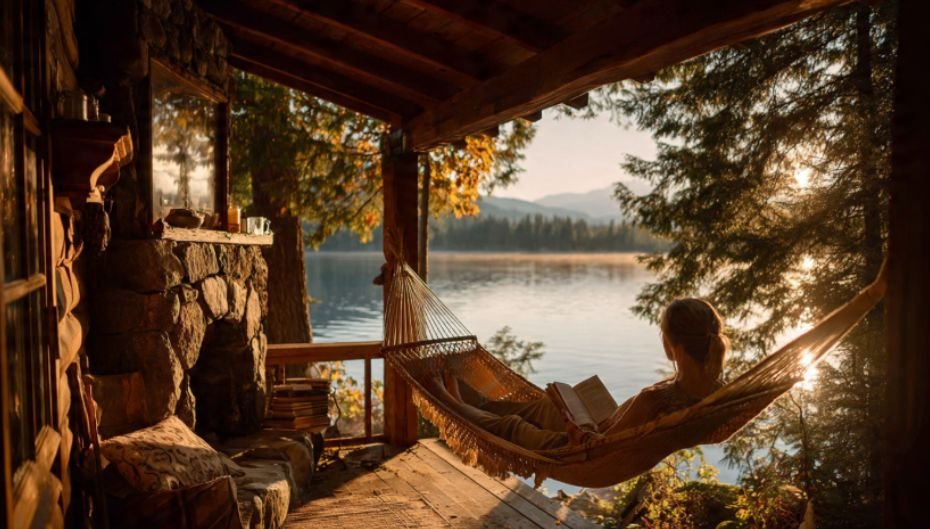
Cabins, cozy Ai bnbs , and boutique stays are ideal choices because they provide comfort along with a sense of seclusion. Look for features like fireplaces, hot tubs, or balconies with a view to enhance your experience.
Selecting Comfortable and Cozy Accommodation
Your accommodation plays a major role in how relaxing your trip feels. A well-chosen stay can turn an ordinary weekend into a luxurious escape.
Instead of focusing on size or luxury alone, choose a place that feels warm and inviting. Soft lighting, comfortable bedding, and quiet surroundings make a huge difference. Properties that offer nature views or private outdoor spaces can elevate your stay even further.
If you prefer a more personalized experience, smaller accommodations like cabins or boutique stays often provide a peaceful atmosphere compared to large hotels.
Planning a Relaxed and Flexible Itinerary
One of the biggest mistakes people make is overplanning. A quiet getaway should never feel rushed or overwhelming. The goal is to leave space for rest and spontaneity.
Keep Your Schedule Simple
To maintain a relaxed pace:
- Limit yourself to one or two activities per day
- Avoid strict timelines or packed schedules
- Allow time for rest between activities
- Keep mornings slow and unstructured
Instead of trying to see everything, focus on enjoying a few meaningful experiences. A short nature walk, a visit to a local café, or simply sitting with a book can be more fulfilling than a packed itinerary.
Embracing Slow Mornings and Simple Pleasures

The beauty of a quiet getaway lies in its simplicity. Start your day without alarms or urgency. Enjoy breakfast at your own pace, sip coffee while watching the sunrise, or take a leisurely walk.
Simple activities like reading, journaling, or listening to music can be incredibly calming. These moments allow you to disconnect from routine and fully immerse yourself in the present.
Disconnecting from Technology
One of the most powerful ways to recharge is by stepping away from digital distractions. Constant notifications and screen time can prevent true relaxation.
Ways to Do a Digital Detox
To fully unwind:
- Turn off work notifications
- Set your phone to “Do Not Disturb”
- Avoid checking emails or social media
- Limit screen time to essentials only
Bringing offline entertainment such as books, puzzles, or creative hobbies can help you stay engaged without relying on devices.
Packing Smart and Light
Packing efficiently can make your trip smoother and more enjoyable. Since the goal is comfort, focus on essentials rather than overpacking.
What to Pack for a Quiet Getaway
Keep your packing list simple:
- Comfortable clothing for lounging and light activities
- Sleepwear and cozy layers
- Toiletries and personal essentials
- Books, journals, or hobby items
Packing light reduces stress and makes travel more convenient, allowing you to focus on relaxation instead of managing luggage.
Planning Meals for a Stress-Free Experience
Food plays an important role in your getaway experience. Instead of worrying about where to eat, plan your meals in advance.
You can either pre-book quiet restaurants or bring groceries to prepare simple meals. Cooking in a peaceful setting can be therapeutic, especially when paired with good company or scenic views.
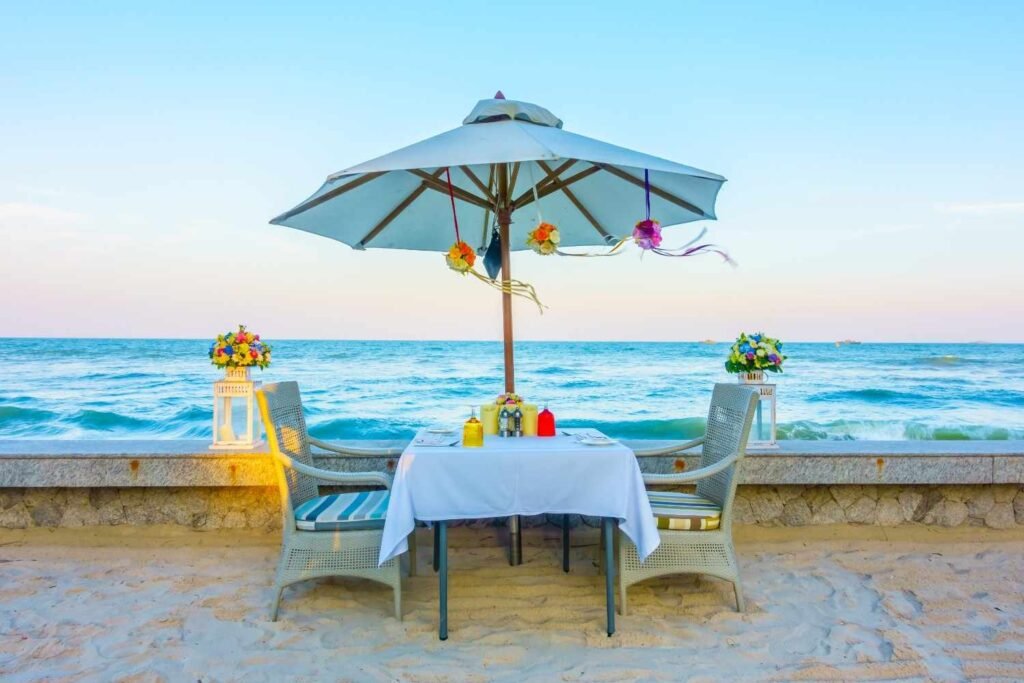
If you prefer dining out, choose less crowded places that match the calm vibe of your trip.
Budgeting for Comfort and Relaxation
A quiet getaway doesn’t have to be expensive, but it’s worth investing in comfort where it matters most. Spending a little extra on better accommodation or a spa treatment can significantly enhance your experience.
Balancing your budget between essentials and small indulgences ensures you get the most value from your trip without overspending.
Making Time for Self-Care and Relaxation

A quiet weekend getaway is the perfect opportunity to focus on self-care. Whether it’s taking a long bath, enjoying a massage, or simply resting without guilt, prioritize activities that make you feel refreshed.
Nature-based relaxation, such as sitting by a lake or walking through a forest, can also have a calming effect on both mind and body.
FAQs About How to Plan a Quiet Weekend Getaway
Where is the cheapest but nicest place to go on holiday?
Affordable yet beautiful detinations often include small towns, countryside retreats, or lesser-known coastal areas. These places offer beauty and tranquility without the high costs associated with major tourist spots.
Where to go for a short 3 day trip?
For a short trip, choose destinations within a few hours’ drive, such as nearby hill stations, lakeside cabins, or quiet rural areas. This minimizes travel time and maximizes relaxation.
Is $5000 enough for a vacation?
Yes, $5000 is more than enough for a comfortable vacation, especially for a weekend getaway. With careful planning, you can enjoy high-quality accommodation, good food, and relaxing activities within this budget.
How to plan a cheap weekend getaway?
To plan a budget-friendly trip, choose nearby destinations, travel during off-peak times, and opt for simple accommodations. Cooking your own meals and limiting paid activities can also help reduce costs.
The Real Secret to a Truly Peaceful Escape
Planning a quiet getaway is not about doing more—it’s about doing less, but better. By choosing the right destination, simplifying your itinerary, and focusing on comfort, you can create a deeply refreshing experience.
Incorporating ideas from bed and breakfast travel planning tips can further enhance your stay, especially if you prefer cozy, personalized accommodations. These experiences often provide the perfect balance of comfort and local charm.
Ultimately, learning how to plan a quiet weekend getaway is about prioritizing what truly matters—rest, connection, and peace. When done right, even a short trip can leave you feeling completely renewed.