Most people wait all year for one “perfect” vacation. Big plans, long itineraries, packed schedules. And somehow, they come back more tired than when they left. I used to think that was normal until I started taking shorter, quieter trips instead.
A couple of days away, nothing fancy. No pressure to “see everything.” Just a simple break from the usual routine. And the difference was immediate. Better sleep, lighter mood, clearer thinking. That’s when it clicked, relaxing short trips don’t just feel good in the moment, they actually reset how your mind and body function.
Why Your Brain Needs a Break From Routine?
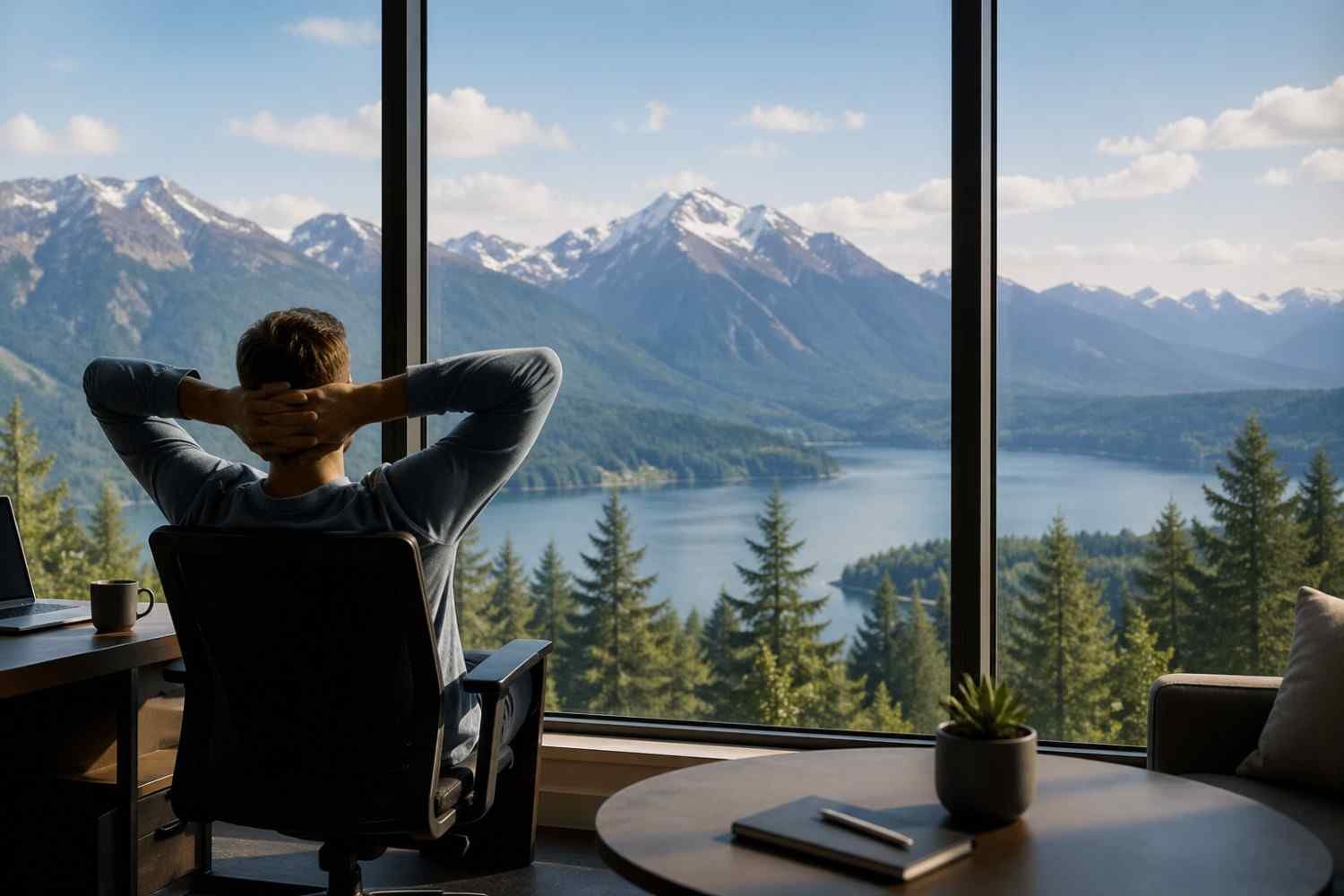
Your daily environment silently trains your brain. The same desk, the same notifications, the same responsibilities, they all become triggers for stress. Even when you try to relax at home, your mind stays half-engaged.
Relaxing short trips work because they remove you from those triggers.
A new environment interrupts that loop. Your brain shifts from “react mode” to “reset mode.” Instead of constantly processing tasks, it starts recovering. This is why even a 2–4 day break can feel surprisingly powerful.
The Real Reason Short Trips Boost Your Mood
There’s a chemical side to this as well.
When you step into a new place, whether it’s a quiet town, a nature retreat, or a cozy stay, your brain releases dopamine, serotonin, and endorphins. These are the same “feel-good” chemicals linked to happiness and motivation.
But here’s the key difference: short trips don’t overwhelm you.
Long vacations often come with pressure, tight schedules, constant movement, and trying to make the most of every second. Short trips, on the other hand, allow you to slow down enough to actually enjoy where you are.
Energy Feels Different After a Short Escape
One of the most underrated benefits of relaxing short trips is how they restore energy.
It’s not just about feeling rested. It’s about mental clarity.
When you’re constantly focused on tasks, your brain experiences something called attention fatigue. You stop noticing it, but it builds up over time. A short trip breaks that cycle.
After just a few days away:
- You think more clearly
- You focus better
- You feel less mentally drained
And interestingly, these effects don’t disappear immediately. Studies show that improved well-being can last for weeks after returning.
Why Short Trips Work Better Than Long Vacations?
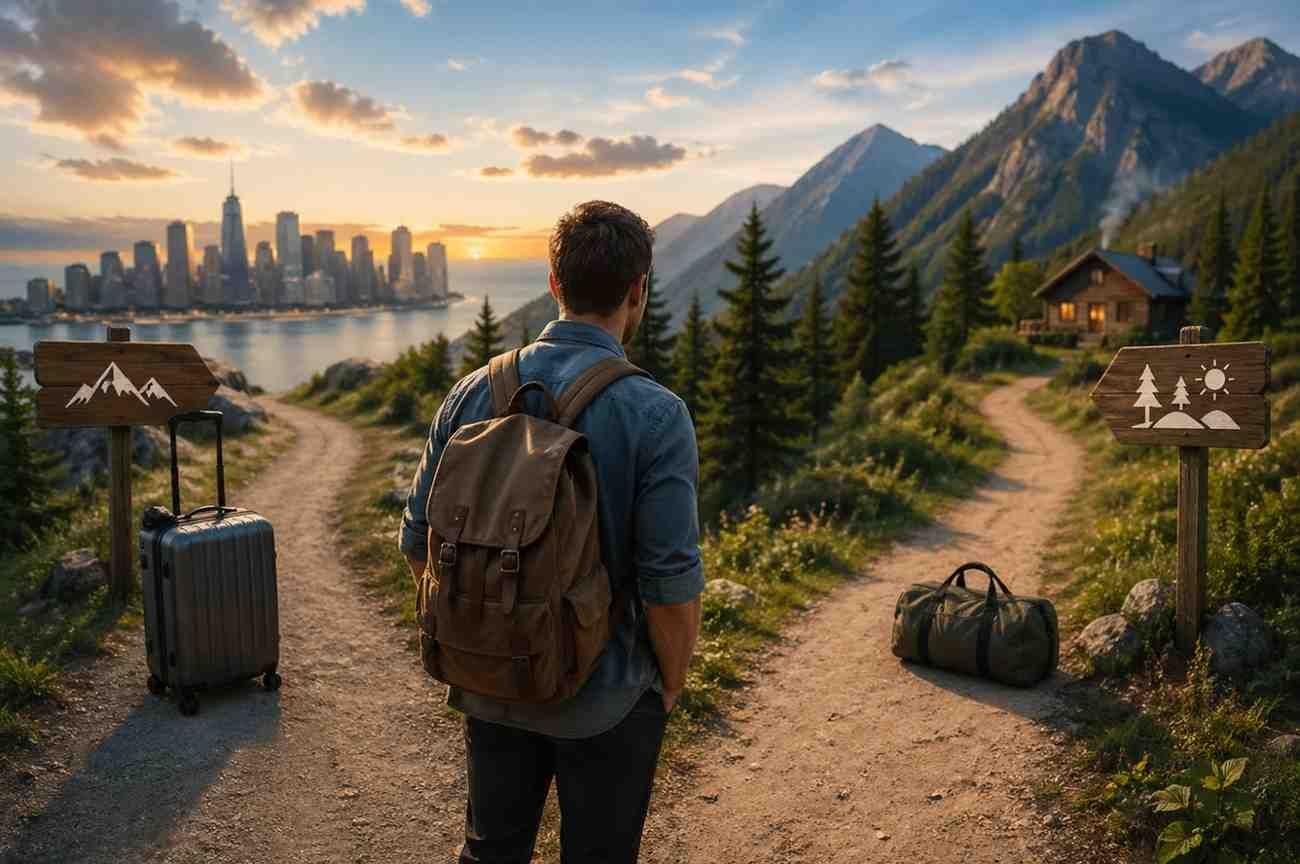
It sounds counterintuitive, but shorter trips often outperform longer ones in terms of real-life benefits.
Less Stress Before and During the Trip
Planning a long vacation can feel like a project. Bookings, itineraries, and budgeting it adds pressure before the trip even begins.
Short trips are simpler. You don’t overthink them. You just go.
Easier to Return Without Burnout
Coming back from a long vacation often means dealing with piled-up work, messages, and responsibilities. That stress cancels out some of the relaxation.
With short trips, re-entry is smoother. You don’t feel overwhelmed the moment you’re back.
You Can Travel More Often
Instead of waiting months for one big break, you can spread multiple relaxing short trips throughout the year.
That consistency matters more than duration. Frequent resets keep your stress levels from building up in the first place.
How to Plan a Truly Relaxing Short Trip?
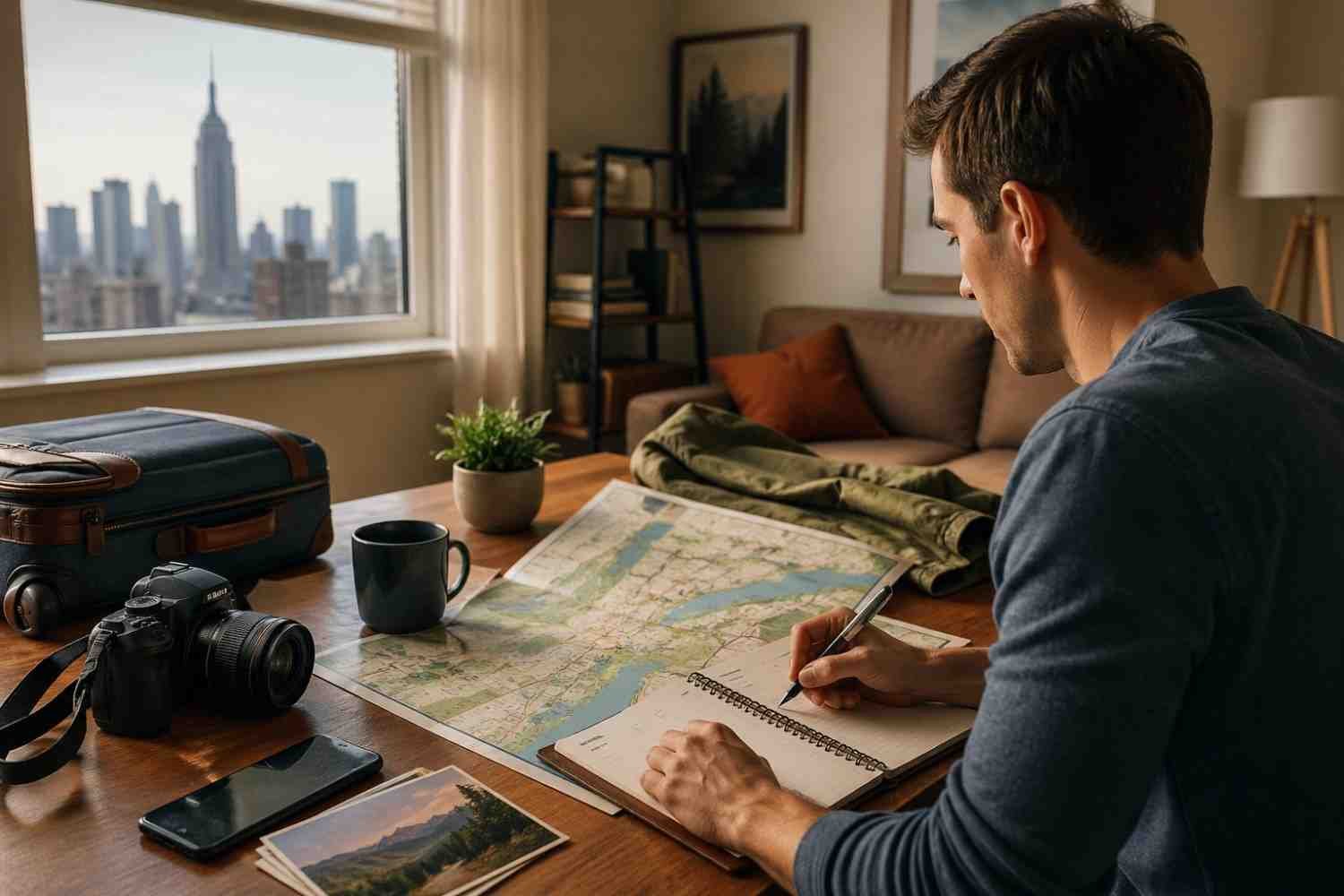
This is where most people get it wrong. They turn a short trip into a packed schedule, which defeats the purpose.
A better approach is to simplify everything.
Keep These in Mind:
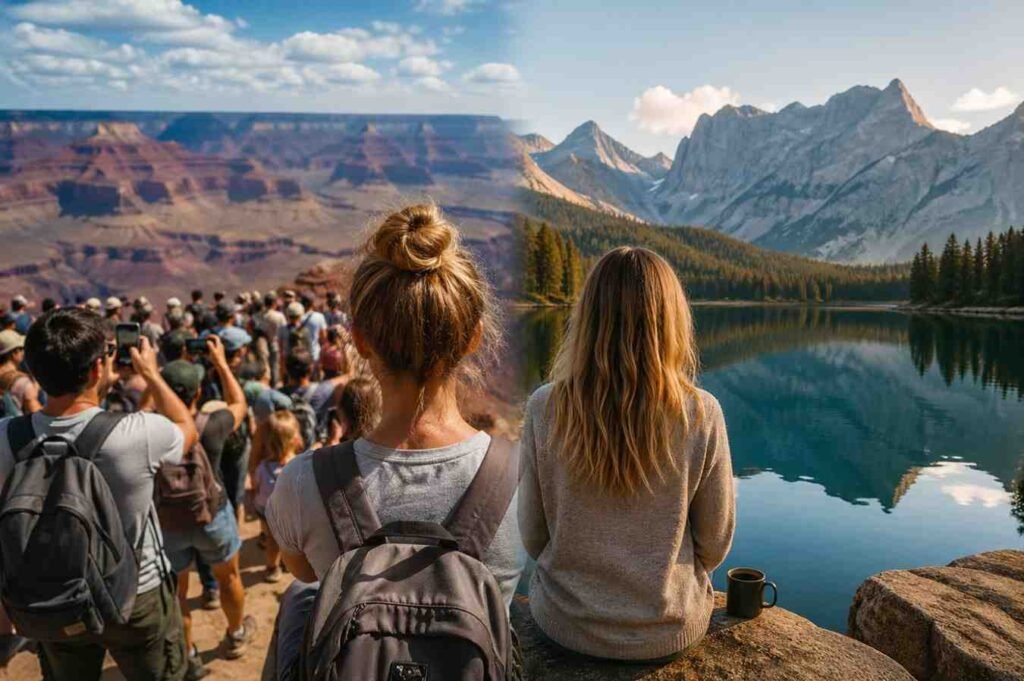
- Choose quiet destinations over crowded ones
- Limit your itinerary (leave space to do nothing)
- Prioritize rest over activities
- Avoid over-planning
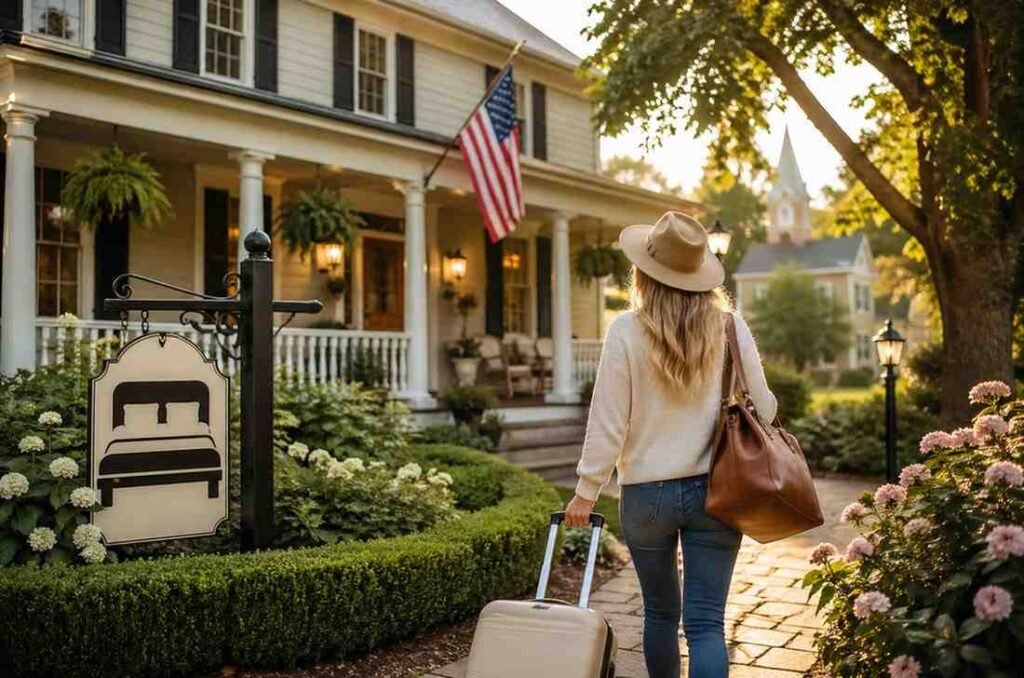
This is also where bed and breakfast travel tips naturally come into play. Staying in smaller, more personal spaces often creates a calmer experience compared to busy hotels. It slows the pace of your trip without you even trying.
The Power of Nature in Short Escapes
If there’s one upgrade that instantly improves a short trip, it’s choosing nature.
Forests, lakes, mountains, and even quiet coastal areas, these environments have a measurable effect on stress levels. They reduce cortisol, slow your heart rate, and help your mind settle.
You don’t need a remote cabin in the middle of nowhere. Even a small nature-focused getaway can create that shift.
Small Habits That Make a Big Difference
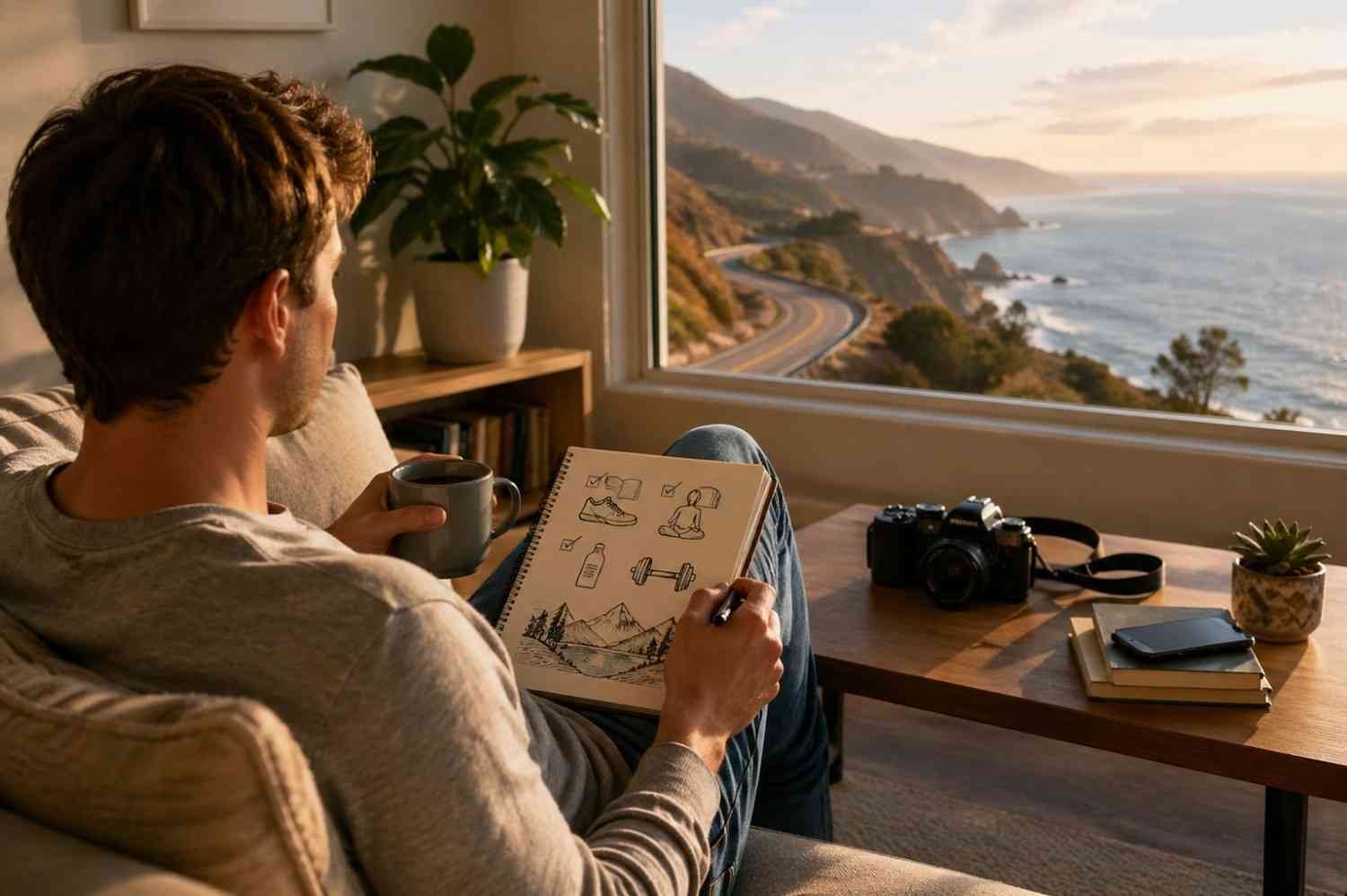
A relaxing short trip isn’t just about where you go. It’s about how you experience it.
A Few Simple Shifts:
- Reduce phone usage (especially work-related apps)
- Sleep more than usual
- Take slow walks instead of rushing
- Spend time without constant stimulation
This is where people begin to understand what a peaceful travel lifestyle actually feels like. It’s not about luxury, it’s about removing noise and giving yourself space to exist without pressure.
Anticipation Is Part of the Benefit
One thing people underestimate is how much joy comes before the trip.
Planning a short getaway, even casually, gives you something to look forward to. That anticipation alone can lift your mood days or even weeks in advance.
It creates a mental break before the physical one even begins.
FAQs: How Relaxing Short Trips Can Improve Your Mood and Energy
1. How long should a relaxing short trip be?
Ideally, between 2 to 4 days. That’s enough time to disconnect without creating stress around planning or returning.
2. Do short trips really help with stress?
Yes. Even a single short trip can interrupt stress cycles, improve mood, and support recovery for weeks afterward.
3. What kind of destinations are best for relaxing short trips?
Quiet, low-crowd places work best for nature retreats, small towns, or peaceful stays that don’t demand constant activity.
4. Is it better to take multiple short trips or one long vacation?
Multiple short trips tend to be more effective for maintaining consistent well-being and preventing burnout.
Final Thoughts
Relaxing short trips change how you experience travel. Instead of chasing a perfect vacation, you start building small moments of recovery into your life. And over time, those moments add up in a way one long trip never really can.
It’s less about escaping your life and more about creating space within it. Once you experience that shift, travel stops feeling like something you wait for and starts becoming something that actually supports how you live.