The moment I stopped trying to “see everything,” my entire experience changed. If you want to truly travel like a local in portugal, you need to shift your mindset first—because Portugal isn’t a checklist destination. It’s a rhythm.
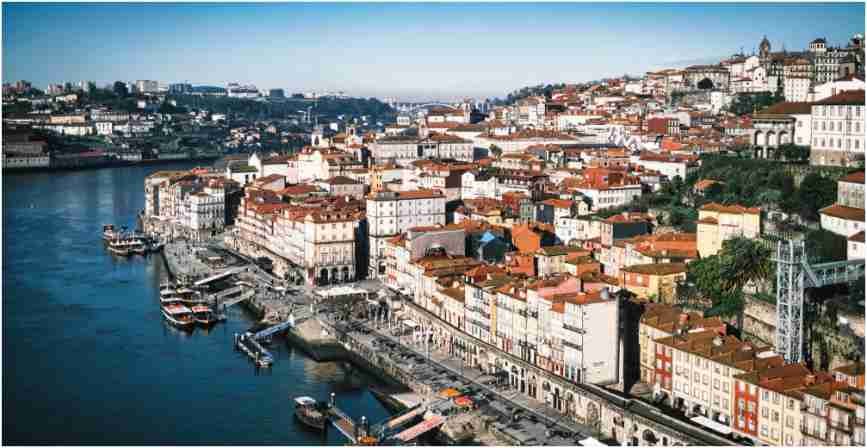
Most visitors rush between Lisbon, Porto, and the Algarve. Locals don’t. They stretch time, linger longer, and prioritize experience over efficiency. Once I adopted that approach, everything—from food to conversations—felt more real.
Why Most Travelers Miss the Real Portugal
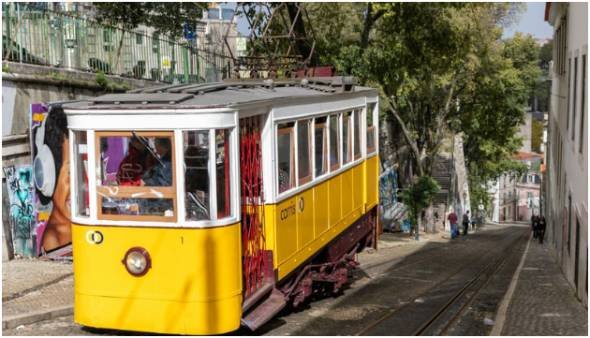
Most travel guides focus on landmarks. Locals focus on lifestyle.
Tourists pack their days with attractions. Locals build their days around meals, conversations, and simple routines. According to tourism data from Turismo de Portugal, a large percentage of visitors stay within major cities, leaving smaller towns largely untouched.
That’s where the real experience begins.
Slow Down First: The Local Mindset
Why Timing Matters More Than Itinerary
Portugal runs on its own clock.
Lunch happens around 1 PM and is often the biggest meal. Dinner rarely starts before 8:30 PM. If you show up early, you’ll eat with tourists. Show up later, and the vibe changes completely.
Shops in smaller towns may close in the afternoon, then reopen later. Cafés stay lively into the evening. Once you adapt to this rhythm, your trip feels more natural.
Eat Like You Belong There

The Tasca Strategy
If there’s one rule I learned quickly, it’s this: avoid places trying to pull you in.
Instead, find a tasca. These are small, local restaurants with handwritten menus and no flashy signage. That’s usually a good sign.
Order the prato do dia. It’s fresh, affordable, and reflects what locals are actually eating that day.
What and When Locals Actually Eat
Regional dishes matter more than trendy food.
In the north, I tried a francesinha—rich and filling. Along the coast, grilled sardines tasted incredibly fresh. In Alentejo, açorda felt simple but comforting.
Meals are not rushed. People sit longer, talk more, and enjoy the experience.
Move Around Like a Local
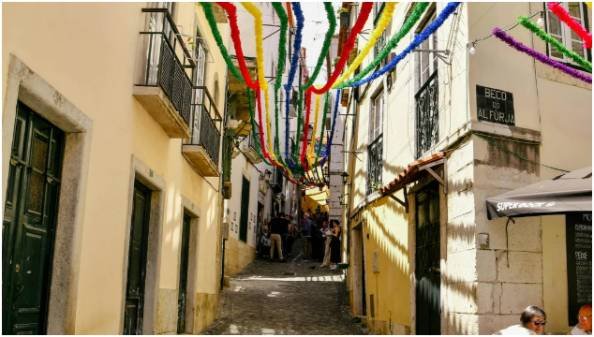
Public Transport vs Tourist Routes
Locals rely on public transport, and it works well.
Trains operated by Comboios de Portugal connect cities efficiently. In Lisbon, the Viva Viagem card simplifies travel. Porto uses the Andante system.
These aren’t just cheaper—they reflect how locals move daily.
Ride-hailing apps like Bolt are also common and often more affordable than taxis.
Walking Smart on Cobblestones
Portugal’s streets are beautiful—but tricky.
The calçada cobblestones can be slippery, especially when wet. I learned quickly to wear shoes with good grip. Locals walk confidently because they’re used to it. Visitors struggle because they underestimate it.
Go Where Locals Actually Go
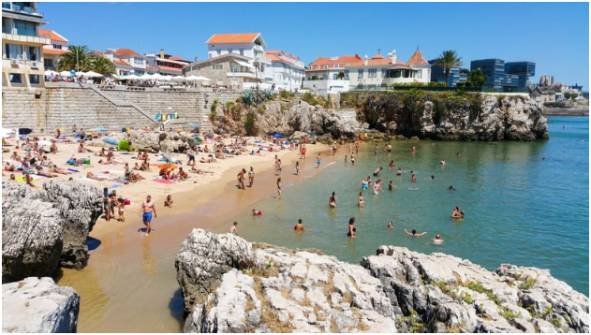
Small Towns That Feel Authentic
To really experience Portugal, step beyond the usual route.
Ponte de Lima offers history and calm riverside views.
Vila Nova de Milfontes gives you uncrowded beaches and a relaxed vibe.
Monsanto stands out with homes built into giant boulders.
Monchique provides quiet mountain escapes and nature.
Exploring these places helped me understand why people look for underrated travel experiences. If you’re planning future trips, I’d also suggest exploring underrated travel destinations worldwide to find similar hidden gems.
Social Etiquette That Instantly Changes Your Experience
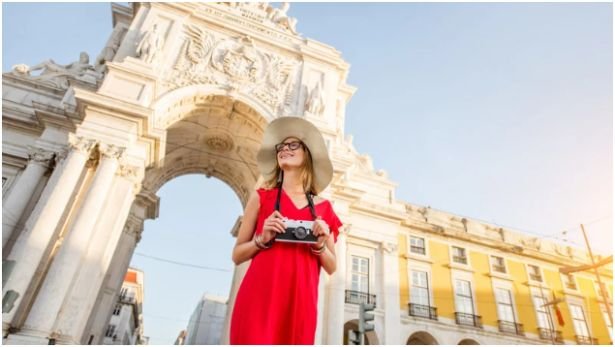
Greetings and Small Talk
Always greet people when entering a space.
A simple “Olá” or “Bom dia” makes a difference. Even if your Portuguese is basic, the effort is appreciated.
Coffee Culture Rules
Coffee is quick but intentional.
Locals drink espresso while standing or sitting briefly. In Lisbon, it’s called a bica. In Porto, just ask for a café.
Also, don’t expect the bill automatically. You have to ask for it.
My Tested Local Routine (Original Insight)
After a few days, I found a rhythm that worked perfectly.
Mornings started with espresso at a local café. No rushing, just observing daily life. Late mornings were for wandering quieter streets or markets.
Lunch became the main event. I chose small local spots and stayed longer. Afternoons were slower—sometimes resting, sometimes exploring.
Evenings were flexible. Dinner late, followed by a walk or another coffee.
This structure made my trip feel natural instead of forced.
Sassy Wrap-Up: Stop Touring, Start Living
If you take one thing from this, let it be this—Portugal isn’t meant to be rushed.
The moment you stop chasing attractions and start following local habits, everything changes. You notice more. You enjoy more.
So don’t just visit. Adapt. Slow down. Blend in.
That’s how you actually experience Portugal.
FAQs
1. How can I travel like a local in portugal for the first time?
Focus on slower travel, eat at local tascas, and follow local meal times instead of rigid itineraries.
2. Is it better to use public transport in Portugal?
Yes, especially in cities. It’s efficient, affordable, and widely used by locals.
3. What are common mistakes tourists make in Portugal?
Eating too early, skipping greetings, and staying only in major tourist areas are common mistakes.
4. Are smaller towns better than cities in Portugal?
They offer a more authentic and relaxed experience with fewer crowds.
5. Do I need to speak Portuguese to travel comfortably?
Not necessarily, but using a few basic phrases improves your experience and interactions.